A night in the Sahara Desert is the undisputed number-one bucket-list experience in Morocco. Picture yourself riding a camel through towering golden dunes as the sun sets, spending the evening around a fire under a sky blazing with stars, and waking at dawn to watch the sand turn from deep purple to fiery orange. No photograph or video can capture it. You have to be there.
This complete Sahara Desert Morocco guide covers everything you need to plan your trip in 2026: which dunes to visit, tour options and prices, camp types, a day-by-day itinerary, the best time to go, what to pack, photography tips and how to book the best deal. If you are planning a full week in Morocco, the desert fits perfectly into our 7-day Morocco itinerary. Whether you are coming from Marrakech or Fes, traveling on a budget or looking for a luxury experience, this guide has you covered.
🌟 #1 Best-Selling Sahara Desert Tour
3-day desert safari from Marrakech to Merzouga — from €85/person, free cancellation
Book the 3-Day Sahara Tour →Erg Chebbi vs Erg Chigaga — Which Sahara Dunes Should You Visit?
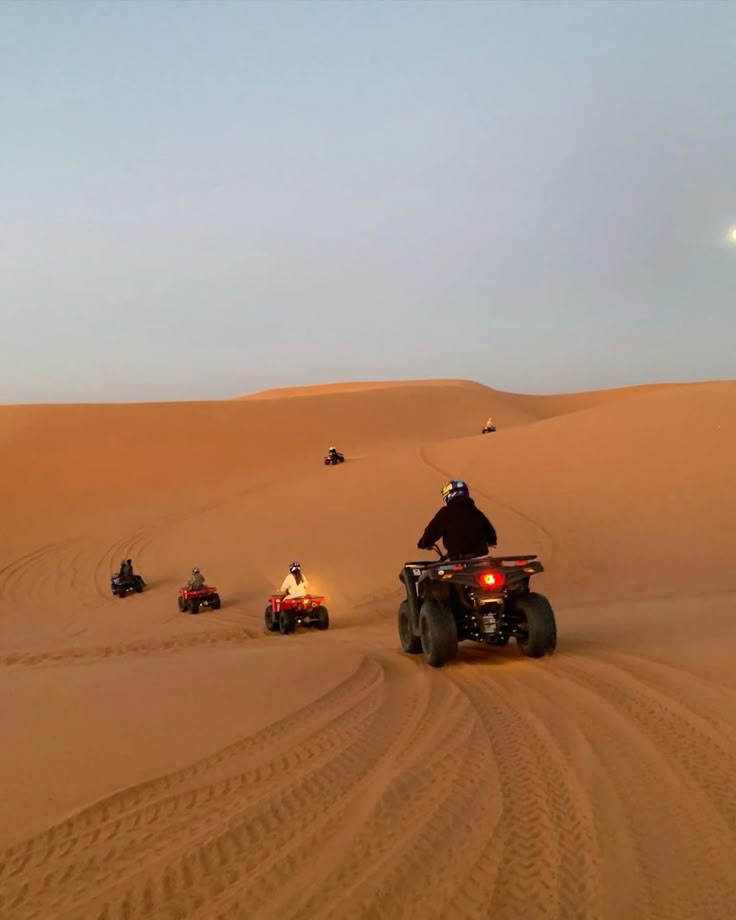
Erg Chebbi at sunrise — Morocco's most iconic Sahara Desert landscape
Morocco has two major sand dune fields (ergs) open to tourists. Almost every morocco desert tour will take you to one of them. Understanding the differences is the first step to choosing the right trip.
Erg Chebbi (Merzouga) — The Classic Sahara Experience
🌟 Erg Chebbi — Merzouga
- Location: southeast Morocco, near the Algerian border, province of Errachidia
- Size: 22 km long and 5 km wide — towering golden-orange dunes
- Base village: Merzouga, a small oasis town with hotels, riads and tour agencies
- Access: fully paved road from Errachidia (50 km) or Rissani (35 km)
- Camps: 50+ desert camps, from basic bivouacs to five-star glamping
The Merzouga desert and its Erg Chebbi dunes are what most people picture when they think of the Sahara in Morocco. The dunes shift from golden to deep orange depending on the time of day, creating a visual spectacle that has made this one of the most photographed locations in Africa. The village of Merzouga offers easy access, reliable infrastructure and a wide range of camps to suit every budget.
Best for: first-time Sahara visitors, families, photographers, travelers with limited time, anyone who wants a luxury desert camp experience.
Erg Chigaga (Zagora) — The Wild, Remote Sahara
🌟 Erg Chigaga — M'Hamid El Ghizlane
- Location: 50 km southwest of M'Hamid El Ghizlane, deep in the Sahara
- Size: 40 km long and 15 km wide — the largest erg in Morocco
- Base village: M'Hamid, the last oasis before the open desert
- Access: paved road to M'Hamid, then 50 km off-road track (2 hours by 4x4)
- Camps: 10-15 high-quality camps, far fewer tourists
Erg Chigaga is for travelers who crave complete solitude. You can spend an entire night without seeing another tourist. The dunes are taller (up to 300 meters), the landscape is rawer, and the journey there — crossing a moonlike desert of stones, dry riverbeds and hidden oases — is an adventure in itself. The trade-off is that it takes longer to reach and requires a 4x4.
Best for: repeat visitors, adventure seekers, couples wanting total privacy, experienced desert travelers.
Quick Comparison Table
| Criteria | Erg Chebbi (Merzouga) | Erg Chigaga (Zagora) |
|---|---|---|
| Dune height | Up to 150 m | Up to 300 m |
| Area | 22 km x 5 km | 40 km x 15 km |
| Road access | Fully paved | 4x4 required (50 km track) |
| Tourist density | Moderate to high | Very low |
| Number of camps | 50+ | 10-15 |
| Standard camp price | €55-136 | €75-180 |
| From Marrakech | 9-10 hours drive | 9h drive + 2h off-road |
| From Fes | 7-8 hours drive | 12+ hours |
| Ideal for | First visit, families, comfort | Adventurers, solitude, romance |
For most travelers, Erg Chebbi (Merzouga) is the better choice. The dunes are spectacular, the camps are well-established, and the 3-day tour from Marrakech is the most popular desert experience in Morocco for a reason. If you have already visited Merzouga or you specifically want zero-tourist isolation, then Erg Chigaga will reward you with a truly wild Sahara experience.
Sahara Desert Tour Options Compared
There are several ways to experience the Sahara desert tour from Marrakech or Fes. Here is how they compare so you can pick the one that fits your schedule and budget.
3-Day / 2-Night Tour from Marrakech (Most Popular)
This is the classic morocco desert tour and the option chosen by the vast majority of travelers. You depart Marrakech, cross the High Atlas Mountains via the Tichka Pass, visit the Ait Benhaddou kasbah, drive through the Dades Valley or Todra Gorges, and arrive at Merzouga where you ride camels into Erg Chebbi for a night in a desert camp. The return leg takes a different route so you see new scenery both ways.
- Duration: 3 days, 2 nights (1 night hotel + 1 night desert camp)
- Price: from €85 per person (shared group tour)
- Highlights: Ait Benhaddou, Atlas Mountains, Dades/Todra Gorges, camel trek, desert camp, sunrise over the dunes
- Best for: travelers who want the full Sahara experience without rushing
⭐ Best-Seller: 3-Day Sahara Desert Tour
4.9/5 stars · 3,100+ reviews · Free cancellation up to 24h before
Book from €85/person →2-Day / 1-Night Tour from Marrakech (Budget Option)
Short on time? The 2-day tour takes you to Zagora and the edge of the Sahara through the stunning Draa Valley, the longest palm grove in Morocco. You get a camel ride, a night in a desert camp, and a sunrise experience, but the dunes are smaller than at Merzouga. It is a solid option if you cannot spare three full days.
- Duration: 2 days, 1 night (overnight in desert camp)
- Price: from €65 per person (shared group tour)
- Highlights: Draa Valley, Ait Benhaddou, camel ride, desert camp
- Best for: travelers with limited time or budget
Private vs Shared Group Tour
Shared group tours carry 12-17 passengers in a minibus and follow a fixed itinerary. Private tours give you a dedicated vehicle and driver, flexible timing, and the ability to stop wherever you want. Private tours cost roughly 2-3 times more but are worth it for couples, families or small groups who want a personalized experience.
| Feature | Shared Group Tour | Private Tour |
|---|---|---|
| Group size | 12-17 passengers | You + your group only |
| 3-day price (per person) | €85-180 | €200-450 |
| Flexibility | Fixed itinerary & schedule | Customize stops & pace |
| Vehicle | Minibus | Private SUV or 4x4 |
| Best value for | Solo travelers, budget | Couples, families, groups |
From Fes (Same Route, Opposite Direction)
Every tour available from Marrakech can also be done starting from Fes, or as a one-way transfer (Marrakech to Fes or vice versa). Starting from Fes actually shaves about an hour off the drive to Merzouga, making it slightly more comfortable. A one-way Marrakech-to-Fes desert tour is an extremely efficient way to see the desert and change cities at the same time, saving you a day of backtracking.
If your itinerary includes both Marrakech and Fes, book a one-way 3-day desert tour (Marrakech → Merzouga → Fes or reverse). You see the Sahara and transfer between cities in one trip. No backtracking, no wasted day on the bus. This is the smartest way to travel between Morocco's two biggest tourist cities.
What Is Included in a Typical Sahara Desert Tour
Standard sahara desert tour packages from Marrakech or Fes generally include the following:
- Air-conditioned minibus or private vehicle transport
- English and French-speaking driver-guide
- All meals (breakfasts, lunches and dinners)
- 1 night in a mid-range hotel or kasbah (3-day tours)
- 1 night in a Sahara desert camp (bivouac or tented camp)
- Sunset camel ride into the Erg Chebbi dunes (1 to 1.5 hours)
- Sunrise viewing from the dunes
- Stops at Ait Benhaddou kasbah (UNESCO site)
- Drive through Dades Valley or Todra Gorges
- Sandboarding on the dunes (at most camps)
- Traditional Berber music and campfire evening
Not usually included: drinks (water and soft drinks), tips for the driver and camp staff, personal travel insurance, optional activities like quad biking or hot air balloon rides.
Always book tours that include free cancellation up to 24 hours before departure. This protects you if your plans change, you feel unwell, or weather conditions are poor. All tours linked in this guide include free cancellation.
Desert Camp Types: Basic, Standard & Luxury
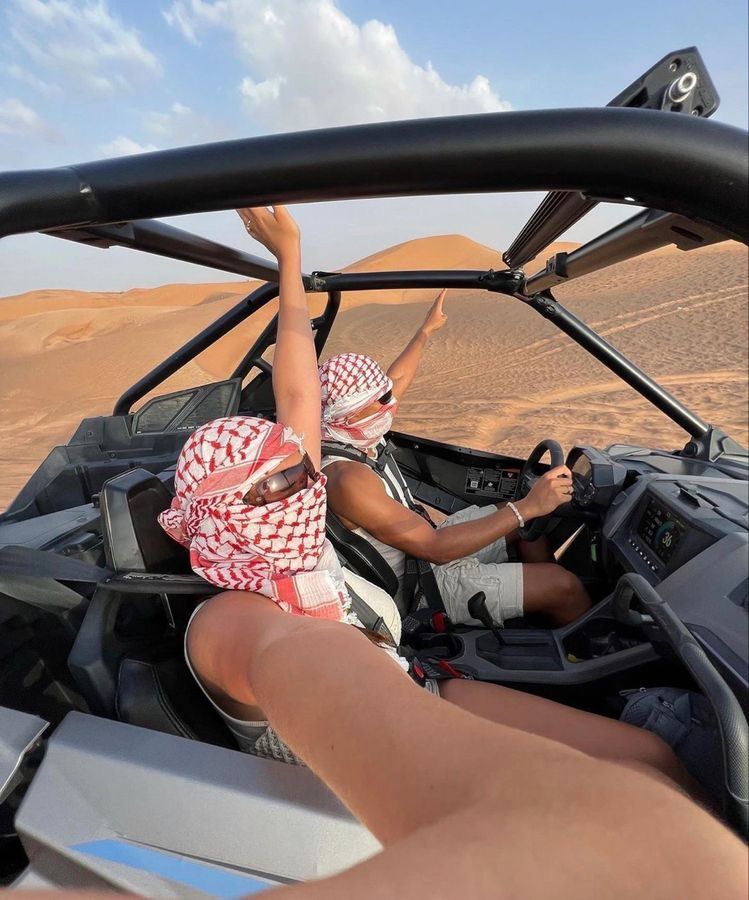
A camel trek into the dunes — the classic way to reach your desert camp
Your camp is where the magic happens. The quality of your overnight experience depends largely on the type of desert camp you choose. Here is what to expect at each level.
Basic Bivouac
Basic / Budget Camp
- Sleeping: shared Berber tent, mattress on the floor, blankets
- Bathrooms: shared pit toilets, no shower
- Meals: tagine dinner + simple breakfast (crepes, jam, coffee)
- Included: camel ride, campfire with music, mint tea
- Best for: backpackers, budget travelers, adventurous souls
Standard Camp (Best Value)
Standard / Comfort Camp
- Sleeping: private tent with real beds, electricity, USB charging
- Bathrooms: private or semi-private shower and WC, hot water
- Meals: full dinner (soup, tagine, dessert) + buffet breakfast
- Included: camel ride, sandboarding, Berber music evening
- Best for: couples, families, most travelers
Luxury Camp / Glamping
Luxury / Glamping Camp
- Sleeping: air-conditioned suite tent, king-size bed, Berber rugs, designer decor
- Bathrooms: full private bathroom with toiletries and hot water
- Meals: gourmet Moroccan menu, drinks included
- Extras: swimming pool, spa, bar, panoramic terrace, Wi-Fi
- Best for: honeymoons, special occasions, luxury travelers
The standard camp offers the best balance of comfort and value. You get a real bed, a private shower, and a memorable evening — without the premium price tag. Avoid camps below €20 per person; the quality is often very poor. The 3-day tour from €85 linked in this guide includes a solid standard camp.
Day-by-Day: What to Expect on a 3-Day Sahara Tour
Here is a typical itinerary for the most popular 3-day Sahara desert tour from Marrakech to Merzouga and back.
Day 1: Marrakech → Atlas Mountains → Dades Valley
Depart Marrakech early morning (around 7:30 AM). Cross the High Atlas Mountains via the Tizi n'Tichka pass at 2,260 meters, with panoramic mountain views and stops at Berber villages. Visit the cinematic Ait Benhaddou kasbah (UNESCO World Heritage Site), famously used in Gladiator and Game of Thrones. Continue through Ouarzazate (the Hollywood of Morocco) and arrive at your hotel in the Dades Valley or Todra region by evening. Dinner and overnight at the hotel.
Day 2: Dades/Todra Gorges → Merzouga → Camel Ride → Desert Camp
Morning drive through the spectacular Todra Gorges (300-meter-high canyon walls). Continue across the arid plateau toward Merzouga, passing through palm-lined oases and fossil-rich terrain. Arrive at Merzouga in the late afternoon. Switch to camels for a 1 to 1.5-hour trek into the Erg Chebbi dunes. Watch the sunset from the top of a dune — the single most unforgettable moment of the trip. Arrive at your desert camp for a traditional dinner, Berber drum music around the campfire, and a night sleeping under the stars.
Day 3: Sunrise → Merzouga → Marrakech
Wake before dawn to climb a nearby dune and watch the sunrise paint the Sahara in shades of gold, orange and pink. Return to Merzouga by camel, enjoy breakfast, then begin the drive back to Marrakech via a different route through the Draa Valley, arriving by evening (around 8-9 PM).
Be prepared: the drive from Marrakech to Merzouga is roughly 9-10 hours each way with stops. Days 1 and 3 involve a lot of time in the vehicle. This is unavoidable given the distance. The scenery is spectacular, so it never feels boring, but if you get car sick, bring motion-sickness medication. The payoff — a night in the actual Sahara — is absolutely worth it.
Best Time to Visit the Sahara Desert in Morocco
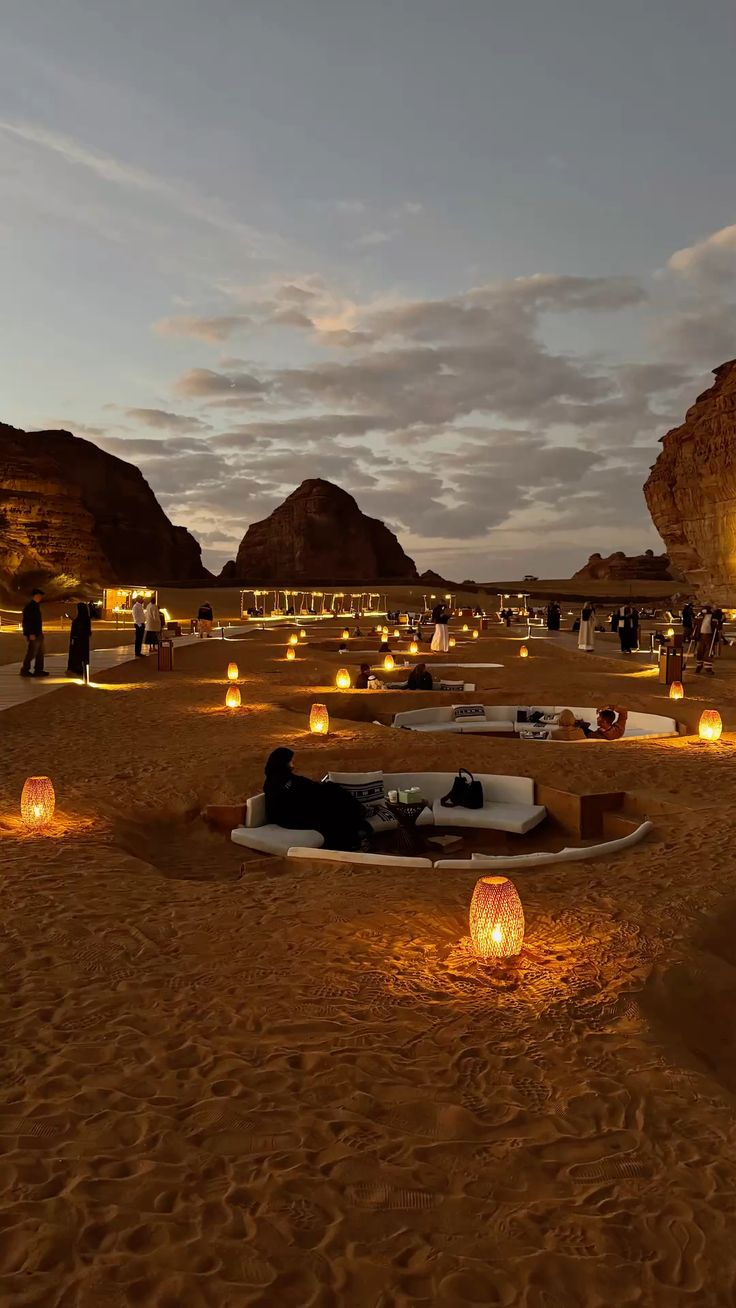
Sunset over the Sahara — best experienced in spring or autumn when temperatures are ideal
The Sahara is a desert of extremes. Timing your visit correctly makes the difference between a magical experience and an uncomfortable one.
| Season | Months | Daytime Temp | Night Temp | Verdict |
|---|---|---|---|---|
| Peak (ideal) | Oct – Nov | 25-30°C | 12-18°C | Perfect conditions |
| Spring (ideal) | Mar – Apr | 22-28°C | 10-16°C | Excellent |
| Winter | Dec – Feb | 18-22°C | 0-8°C | Warm days, freezing nights |
| Summer (avoid) | Jun – Aug | 40-50°C | 25-30°C | Dangerously hot |
| Shoulder | May, Sep | 32-38°C | 18-24°C | Hot but manageable |
Summer temperatures in the Sahara regularly exceed 45-50°C. Riding a camel in this heat is dangerous and genuinely unpleasant. Sand temperatures can reach 70°C, making it impossible to walk barefoot. Many camps reduce operations during summer. Do not book a desert tour between June and August unless you are fully prepared for extreme conditions.
October is the single best month for a Sahara trip. The scorching summer heat has broken, nights are comfortably cool (not cold), and the dunes have their richest golden color. March and April are equally excellent, especially if you want slightly fewer crowds than in October.
What to Pack for the Sahara Desert
Packing smart makes your desert experience far more comfortable. For a full trip packing checklist beyond the desert, see our Morocco packing list. Here is what experienced Sahara travelers bring.
Clothing & Protection
- Scarf or shemagh: absolutely essential for protecting your face from wind-blown sand
- Layers: light clothing for daytime heat + warm fleece or jacket for cold desert nights
- Closed-toe shoes: sandals are fine at camp, but you need proper shoes for climbing dunes
- Sunglasses and sunscreen: SPF 50+, the desert sun is relentless
- Wide-brim hat or cap: for sun protection during the camel ride
Essentials
- Water: bring extra bottles; stay hydrated even when you do not feel thirsty
- Power bank: essential for charging your phone when there are no outlets
- Headlamp or flashlight: camps have limited lighting at night
- Wet wipes and hand sanitizer: for dust and limited washing facilities
- Cash (small bills): for tips and buying souvenirs from nomads
- Medications: motion-sickness tablets, any personal prescriptions, basic first aid
Do not bring a heavy suitcase. Your main luggage stays in the vehicle; you only carry a small bag on the camel. Pack a light overnight bag with essentials for one night. The less you carry, the more you enjoy.
Photography Tips for the Sahara
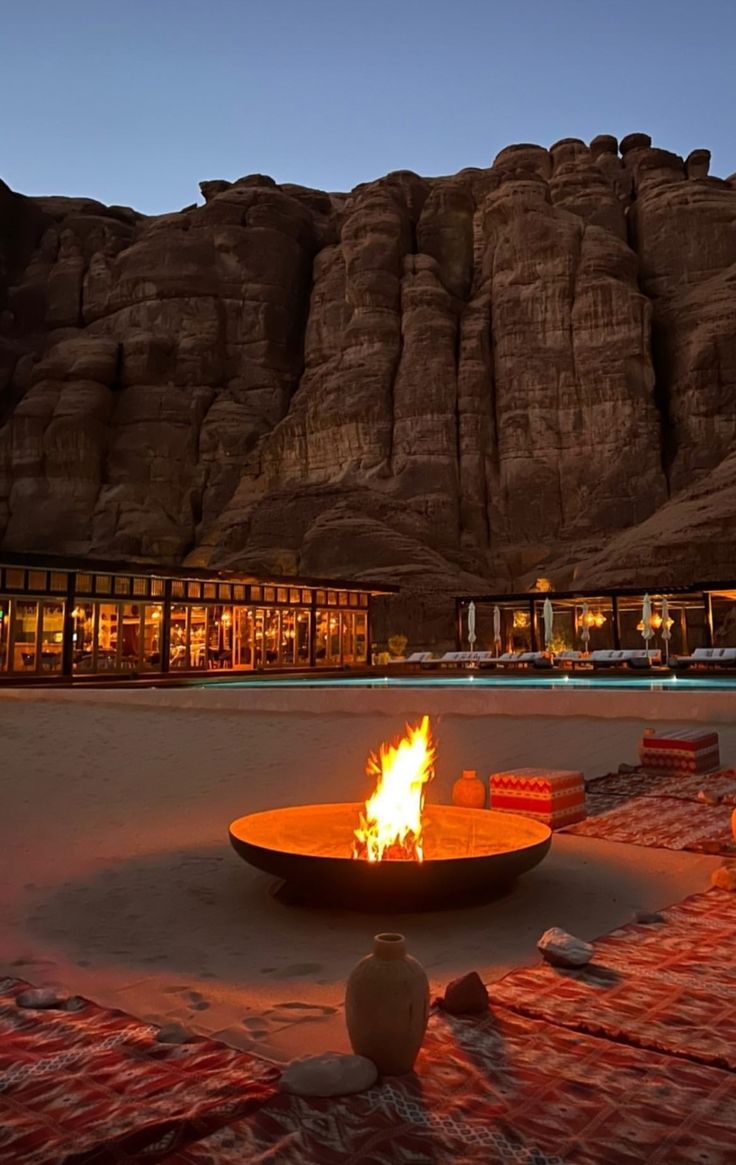
The Sahara sky at night — zero light pollution makes it a photographer's paradise
The Sahara is one of the most photogenic places on Earth. These tips will help you capture it properly.
- Golden hour is king: the 30 minutes around sunrise and sunset produce the best light and the most dramatic shadows on the dunes
- Protect your gear: fine sand gets into everything; use a sealed bag or rain cover for your camera, and avoid changing lenses in windy conditions
- Include people for scale: a lone figure on a dune ridge makes the vastness of the Sahara tangible in a way an empty landscape cannot
- Shoot the stars: the desert sky at night has almost zero light pollution; bring a tripod for long-exposure shots of the Milky Way
- Smartphone users: enable HDR mode, use burst mode during the camel ride, and wipe the lens frequently to remove sand dust
- Dress colorfully: a bright scarf or clothing creates a striking contrast against the golden sand
Costs & Booking Tips
The Sahara Desert is one of Morocco's best-value experiences. For a side-by-side comparison of the top-rated tours, see our best desert tours from Marrakech article. Here is a realistic price breakdown for 2026.
| Tour Type | Shared Group | Private | Duration |
|---|---|---|---|
| 3-Day Merzouga (Marrakech) | €85-180 | €200-450 | 3 days / 2 nights |
| 2-Day Zagora (Marrakech) | €65-120 | €150-300 | 2 days / 1 night |
| 3-Day (from Fes) | €85-180 | €200-400 | 3 days / 2 nights |
| One-way Marrakech → Fes | €95-200 | €250-500 | 3 days / 2 nights |
| Luxury camp upgrade | €100-300 supplement | Per night | |
How to Get the Best Deal
- Book online in advance: online prices are almost always lower than what you will be quoted in the streets or riads of Marrakech
- Free cancellation is key: only book tours that offer free cancellation up to 24 hours before, so you are never locked in
- Avoid street touts: guides in the Jemaa el-Fna square often charge 30-50% more for identical tours
- Travel in shoulder season: October-November and March-April offer the best weather and competitive prices
- Group of 4+? A private tour becomes cost-competitive with shared groups when you split the cost
The 3-day shared Sahara tour from €85 is the best value in Moroccan tourism. For less than the price of a nice dinner in Europe, you get transport, meals, accommodation, a camel ride and a night in the Sahara. It consistently earns 4.9/5 stars from thousands of travelers. Book it early — spots fill fast in peak season.
Top Desert Tours & Experiences — Book Now
These are the highest-rated and most booked Sahara and Morocco experiences. All include free cancellation and instant confirmation. Spots are limited — book ahead to secure your date.
Ready to Experience the Sahara Desert?
The 3-day Merzouga tour is the highest-rated experience in all of Morocco. Secure your spot now with free cancellation — limited availability during peak season.
Frequently Asked Questions
🌟 Do Not Miss the Sahara — Book Your Tour Today
The 3-day Merzouga tour from €85 is the single most booked experience in Morocco. Free cancellation, instant confirmation.
Secure Your Spot Now →✉ Get Our Free Morocco Desert Tips
Desert deals, camp recommendations & travel hacks — straight to your inbox