Why Visit Essaouira?
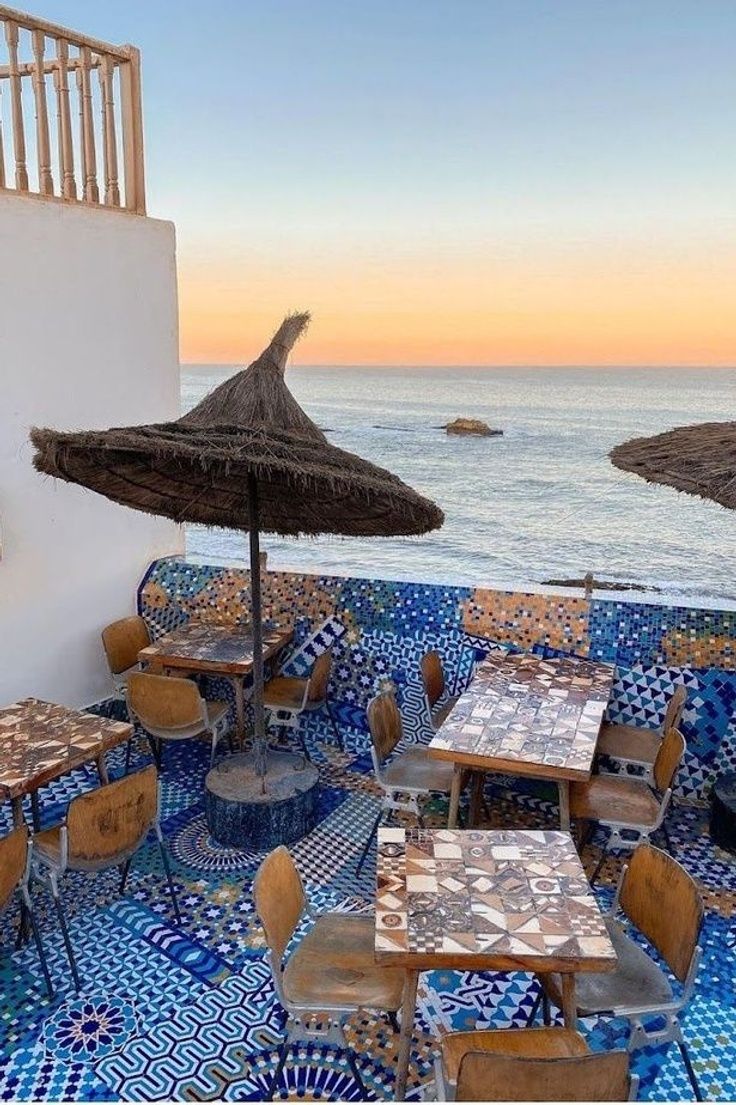
Essaouira's fortified medina and bustling harbor sit right on the Atlantic coast
Perched on Morocco's rugged Atlantic coast roughly 180 kilometers west of Marrakech, Essaouira is a town that refuses to rush. While Marrakech buzzes with sensory overload and Fes immerses you in medieval complexity, Essaouira seduces through a slower rhythm: gulls wheeling above indigo fishing boats, the salt tang of ocean spray mixing with the scent of thuya wood, and a medina small enough to wander without ever needing a guide.
The Portuguese fortifications that ring the medina earned it a spot on the UNESCO World Heritage list in 2001. Hollywood noticed too: the ramparts and harbor served as the fictional city of Astapor in the third season of Game of Thrones, where Daenerys Targaryen acquired her Unsullied army. Today the town attracts surfers chasing Atlantic swells, artists drawn to its galleries and light, and food lovers who know that the simplest grilled sardine tastes better when eaten within sight of the boat that caught it.
Locals call it the Wind City of Africa, a nod to the powerful Alizee trade winds that funnel through the coast from April to September. Those winds make Essaouira one of the premier windsurfing and kitesurfing spots on the continent, yet they also keep summer temperatures comfortably below 30 degrees Celsius when the rest of Morocco sizzles.
Whether you are arriving on an Essaouira day trip from Marrakech or settling in for a multi-night stay, this Essaouira travel guide will help you make the most of every hour in one of Morocco's most lovable towns. If you have extra days, Essaouira fits beautifully into a Morocco road trip along the Atlantic coast.
Essaouira's former name was Mogador, derived from the Phoenician word for a small fortified place. You will still see "Mogador" on older maps, in hotel names, and on the label of local wines.
How to Get to Essaouira
The most common starting point is Marrakech, connected to Essaouira by a well-maintained 180 km highway (the N8). While in Marrakech, do not miss the top activities and tours in the Red City. Here are your options for getting to Essaouira:
By Bus
Supratours and CTM operate direct coaches from Marrakech to Essaouira. The journey takes approximately 2.5 to 3 hours and tickets cost 80 to 100 MAD (7 to 9 EUR) one way. Buses depart from the Marrakech Supratours station near the train station or from the CTM terminal. Book a day in advance during peak season.
By Private Transfer or Rental Car
A private transfer from Marrakech runs from about 500 MAD one way (45 EUR). Renting a car gives you the freedom to stop at argan oil cooperatives along the way and explore the coast at your pace. The drive is scenic and straightforward with minimal traffic outside city limits.
By Organized Day Trip
Guided day trips from Marrakech include transport, a walking tour of the medina, and free time at the beach. They typically depart around 8:00 AM and return by 7:00 PM. This is the easiest option if you only have one day to spare.
📌 Book an Essaouira Day Trip
Guided tours from Marrakech include transport, medina tour & free time. Free cancellation up to 24h.
👉 Browse Essaouira Tours →By Grand Taxi
Shared grand taxis leave from Bab Doukkala in Marrakech when full (6 passengers). The fare is around 75 to 90 MAD per person and the ride takes about 2.5 hours. Comfort is limited, but it is the most authentically Moroccan way to travel.
By Air
Essaouira-Mogador Airport (ESU) receives a handful of seasonal flights from European cities, mainly via Ryanair. Domestic connections are limited, so most travelers fly into Marrakech Menara Airport and continue overland. Our 7-day Morocco itinerary explains how to add Essaouira if you have extra time.
During the Gnaoua Festival in June and national holidays, buses and taxis fill up fast. Book transport at least 2 to 3 days ahead to guarantee a seat.
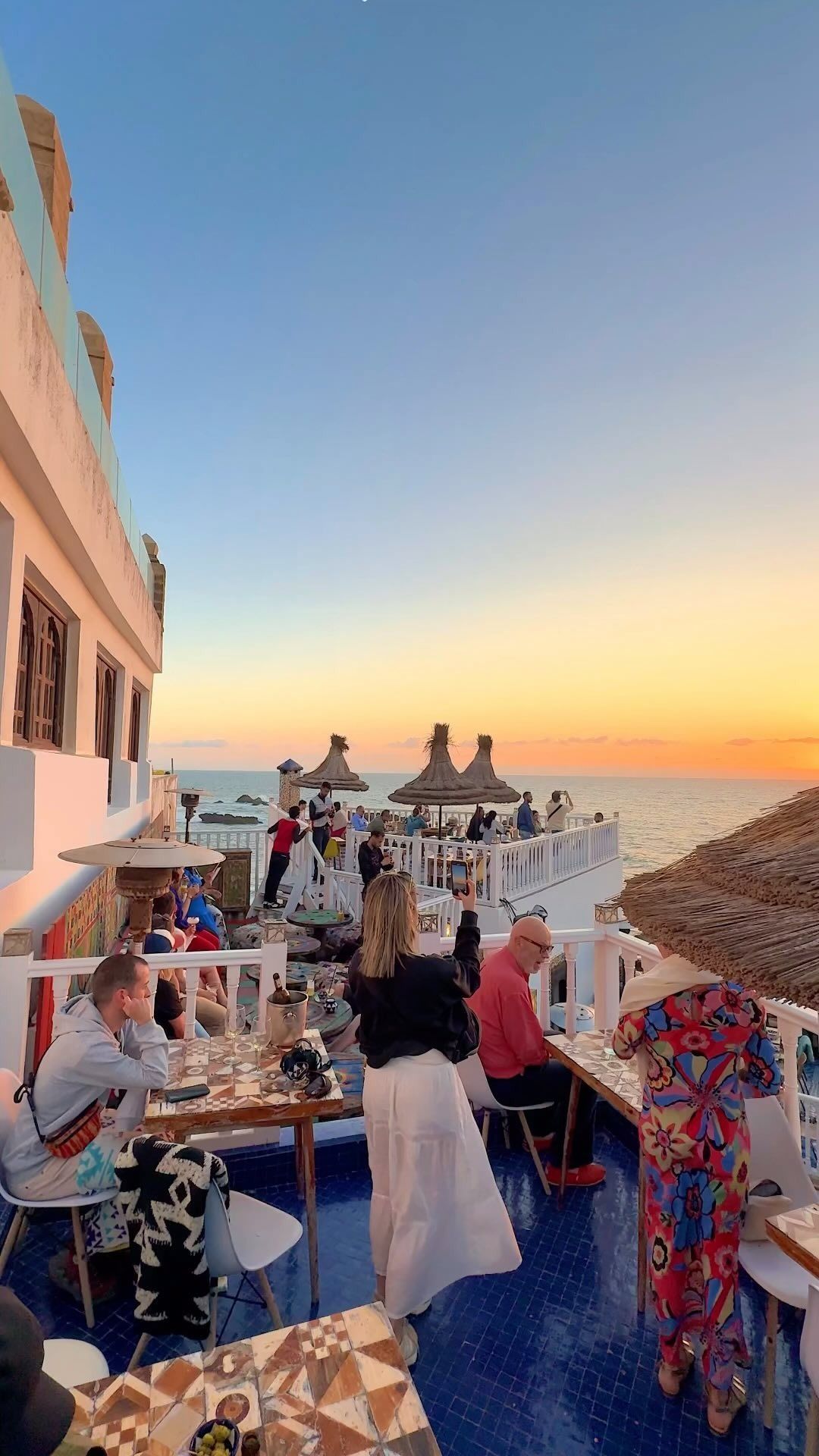
The colorful fishing port is the beating heart of Essaouira's daily life
Top 10 Things to Do in Essaouira
From ancient ramparts to crashing Atlantic waves, here are the best things to do in Essaouira whether you have one day or an entire week.
1. Walk the Medina and Ramparts (UNESCO World Heritage)
The Essaouira medina is compact, atmospheric, and far more relaxed than its counterparts in Marrakech or Fes. Enclosed by 18th-century Portuguese-influenced walls, the streets follow a logical grid pattern that the French military architect Theodore Cornut designed in the 1760s. This makes it one of the few Moroccan medinas where you are unlikely to get lost.
Walk along the top of the ramparts (free access) for sweeping views of the Atlantic, the harbor, and the offshore Ile de Mogador. The cannons lining the walls are original European artillery pieces and make for iconic photographs. Vendors selling argan oil, thuya wood crafts, and colorful textiles line the main streets below, but the pressure to buy is gentler here than in larger cities.
Visit the ramparts at sunset when the light turns the sandstone walls golden and fishing boats return to port. Morning is quieter for photography without crowds.
2. Explore the Fishing Port and Eat Fresh Seafood
Essaouira's working fishing port is one of the most vibrant in Morocco. Dozens of blue wooden trawlers line the harbor while fishermen mend nets, unload the catch, and auction crates of sardines, sea bream, and octopus. The atmosphere is lively, photogenic, and completely authentic.
At the edge of the port, a row of open-air grill stalls lets you pick your own fish from the display, negotiate a price, and have it grilled on the spot with a squeeze of lemon, bread, and a simple salad. A generous plate of mixed grilled fish costs as little as 40 to 80 MAD (4 to 7 EUR). It is one of the best and most affordable meals you will have in Morocco.
3. Surf and Windsurf at the Beach
Essaouira is Morocco's top wind sport destination. The main beach stretches south of the medina for several kilometers, with reliable winds blowing from April through September. Windsurfers and kitesurfers flock here for conditions that rival Tarifa and Dahkla.
For regular surfing, head to Sidi Kaouki, a laid-back village roughly 25 km south of Essaouira where consistent beach breaks offer fun waves for beginners and intermediates. Surf schools rent boards for about 150 to 200 MAD per half-day and offer lessons starting from 350 MAD. In town, rental shops along the beach road supply windsurf and kitesurf gear.
4. Visit Skala de la Ville (The Sea Bastion)
The Skala de la Ville is the main fortified sea bastion, a long stone platform studded with a row of Spanish and Portuguese bronze cannons pointing out to sea. The walkway offers some of the most dramatic views in the city: the crashing waves below, the distant silhouette of Ile de Mogador, and the white-and-blue medina stretching behind you.
Entry costs a small fee of 10 MAD. Beneath the bastion you will find a cluster of marquetry workshops where artisans carve intricate designs from local thuya wood, a craft unique to the Essaouira region.
5. Browse Art Galleries and Boutiques
Essaouira has earned a reputation as Morocco's art capital. The town nurtures a thriving community of painters, sculptors, and mixed-media artists, many of whom display work in small galleries throughout the medina. The Galerie d'Art Frederic Damgaard on Avenue Oqba Ibn Nafiaa is the best known, showcasing contemporary Moroccan art for over three decades.
Beyond galleries, the medina hides concept stores and boutiques selling handmade jewelry, woven textiles, leather bags, and argan-based beauty products. Prices are generally lower than in Marrakech, and shopkeepers tend to be more relaxed about bargaining.
6. Day Trip to Argan Oil Cooperatives
The countryside between Marrakech and Essaouira is the heartland of the argan tree, a UNESCO-protected species found only in southwestern Morocco. Female-run cooperatives along the road offer tours showing the traditional process of cracking, roasting, and pressing argan nuts into oil used for cooking and cosmetics.
You can taste fresh culinary argan oil drizzled over bread with honey, buy certified products at fair-trade prices, and support the livelihoods of rural women. If you are driving, stop at a cooperative on the way to or from Marrakech. Organized tours from Essaouira also cover this experience.
7. Horseback or Camel Ride on the Beach
The long, flat expanse of sand south of the medina is ideal for a horseback or camel ride at sunset. Operators on the beach offer rides ranging from a quick 30-minute stroll (150 to 200 MAD) to multi-hour excursions along the coast with stops at sand dunes and a Berber village. Horses and camels are generally well-kept, but choose a provider that looks after its animals.
8. Visit the Jewish Quarter (Mellah)
Essaouira once had one of Morocco's most prominent Jewish communities, and the Mellah (Jewish quarter) preserves that heritage. Look for the Star of David motifs carved into doorways, visit the Slat Lkahal Synagogue (the largest of the town's former synagogues), and explore the Jewish cemetery on the edge of the medina. At its peak in the 19th century, Jewish residents made up nearly 40 percent of the town's population and played a central role in trade between Morocco and Europe.
9. Experience the Gnaoua Music Scene
The Gnaoua spiritual music tradition, rooted in sub-Saharan African heritage, has deep ties to Essaouira. Every June, the Gnaoua World Music Festival transforms the town into an open-air concert venue, attracting hundreds of thousands of visitors with free outdoor performances blending Gnaoua rhythms with jazz, blues, and world music. Even outside the festival, you can hear Gnaoua groups (called maalems) performing at restaurants, riads, and small venues throughout the medina year-round.
The Gnaoua Festival usually falls in the last week of June. Book accommodation at least 2 months in advance as the town fills completely. Prices for riads can double or triple during the event.
10. See Ile de Mogador from the Port
The small Ile de Mogador (Mogador Island), also known as the Purple Islands, sits just offshore and is visible from the ramparts and the port. The islands are a protected nature reserve home to colonies of Eleonora's falcons and other seabirds. Landing on the island requires a special permit and is generally restricted, but the views from the Skala du Port and the beach are impressive. Local boat operators occasionally arrange short trips around the island (not landing), weather permitting.
🎯 Book Top Essaouira Experiences
Free cancellation on most tours. Secure your spot today.
Where to Stay in Essaouira
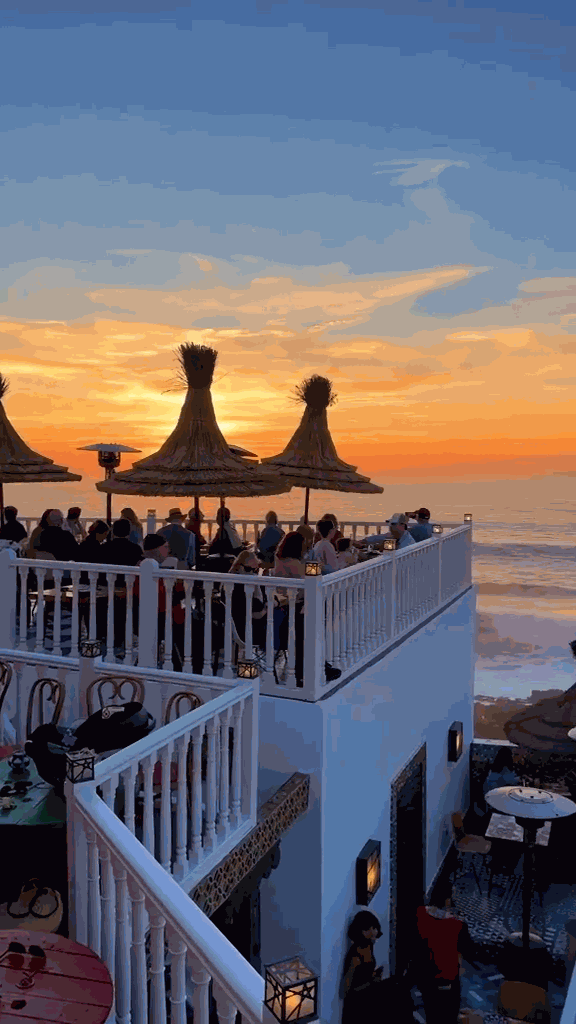
Essaouira offers a range of beautiful riads and guesthouses inside its UNESCO-listed medina
Essaouira's accommodation ranges from backpacker hostels to beautifully restored riads. The medina is small, so location matters less than in larger cities. Here is a breakdown by budget level:
| Category | What to Expect | Price Range / Night |
|---|---|---|
| Budget | Hostel dorms, basic guesthouses, shared bathrooms | 80 – 200 MAD (7 – 18 EUR) |
| Mid-Range | Charming riads with private rooms, rooftop terraces, breakfast included | 400 – 800 MAD (36 – 72 EUR) |
| Luxury | Boutique riads with ocean views, hammam, fine dining, pool or spa | 1,500 – 3,500+ MAD (135 – 315+ EUR) |
The best-value riads in Essaouira are found in the quieter southern end of the medina near Bab Doukkala, where you get ocean proximity without the noise of the main souks. Many mid-range riads include a home-cooked Moroccan breakfast on the rooftop.
Where to Eat in Essaouira
Essaouira is a food lover's destination, and seafood dominates the scene. Here are the top spots to eat:
Port Fish Grill Stalls
The open-air grills near the fishing port are the quintessential Essaouira food experience. Choose from the freshest catch of the day: sardines, shrimp, calamari, lobster, sea bream, and more. A full plate of grilled fish with bread and salad costs 40 to 80 MAD. Arrive around noon when the fish is freshest and the stalls are busiest.
Medina Restaurants
Restaurants lining Place Moulay Hassan and the nearby alleys serve Moroccan classics like tagines, couscous, and pastilla alongside seafood dishes. Expect to pay 60 to 150 MAD for a main course. Look for places with a visible local clientele as a quality indicator.
Rooftop Terraces
Several riad restaurants offer rooftop dining with ocean views, ideal for sunset. These lean toward the mid to upper range, with mains from 100 to 200 MAD, but the ambiance is exceptional.
Street Food
Moroccan street food thrives in Essaouira. Try fresh orange juice (5 to 10 MAD), msemen (layered flatbread, 3 to 5 MAD), and harira soup (10 to 15 MAD). The main square and surrounding streets have the highest concentration of vendors.
At the port stalls, check that fish is stored on ice and that the grill is hot and actively cooking. Most stalls are perfectly safe, but avoid any where the fish looks like it has been sitting in the sun for hours. Stick to bottled water.
Best Time to Visit Essaouira
Essaouira's climate is moderated by the Atlantic, making it cooler than inland cities year-round. Here is a seasonal breakdown:
| Season | Weather | Best For |
|---|---|---|
| Spring (Mar – May) | 18 – 24°C, light winds, sunny | Sightseeing, photography, mild beach days |
| Summer (Jun – Aug) | 20 – 28°C, strong Alizee winds | Windsurfing, kitesurfing, Gnaoua Festival (June) |
| Autumn (Sep – Nov) | 20 – 26°C, calmer winds, warm sea | Surfing, beach, fewer crowds |
| Winter (Dec – Feb) | 14 – 20°C, windy, occasional rain | Budget travel, winter surf swells, quiet medina |
The sweet spot for most travelers is April to June or September to October. If you specifically want the Gnaoua World Music Festival, plan around the last week of June. If wind sports are your priority, the July-August wind season delivers the strongest and most reliable conditions.
The Alizee winds can be intense from June through August. Sunbathing on the main beach becomes uncomfortable on the windiest days. Sheltered spots exist near the medina walls and at the southern end of the beach behind natural wind breaks.
Essaouira Day Trip from Marrakech vs Overnight Stay
Many travelers debate whether an Essaouira day trip from Marrakech is enough or if they should stay overnight. Here is an honest comparison:
| Factor | Day Trip | Overnight (2–3 Nights) |
|---|---|---|
| Time in town | 4 – 5 hours | Full days at your own pace |
| What you can cover | Medina walk, port, quick lunch | All 10 activities above, plus surfing and day trips |
| Cost | From 20 – 35 EUR (guided tour) | Adds riad cost (36 – 72 EUR/night mid-range) |
| Vibe | Rushed, tourist-focused | Relaxed, authentic, deeper connection |
| Best for | Tight schedules, first-timers sampling | Anyone wanting the full Essaouira experience |
Our recommendation: If you have the time, stay at least two nights. Essaouira reveals its best qualities in the early morning light and at sunset, both of which you miss on a day trip. That said, a day trip is far better than skipping the town entirely.
If your Morocco itinerary allows, travel Marrakech to Essaouira by bus or car, spend 2 nights, then continue south to Agadir or return to Marrakech. This avoids backtracking and gives you the full coastal experience.
Essaouira Budget Overview
Essaouira is one of the most affordable destinations on the Moroccan coast. Here is a realistic daily budget per person:
| Expense | Budget | Mid-Range | Luxury |
|---|---|---|---|
| Accommodation | 80 – 200 MAD | 400 – 800 MAD | 1,500+ MAD |
| Meals (3/day) | 80 – 120 MAD | 150 – 300 MAD | 400+ MAD |
| Activities | 0 – 50 MAD | 100 – 300 MAD | 500+ MAD |
| Transport (local) | 0 – 30 MAD | 50 – 100 MAD | 200+ MAD |
| Daily Total | 160 – 400 MAD (14 – 36 EUR) |
700 – 1,500 MAD (63 – 135 EUR) |
2,600+ MAD (235+ EUR) |
The Moroccan dirham (MAD) is the local currency. ATMs are available in the medina and along Avenue de l'Istiqlal. Credit cards are accepted at larger hotels and some restaurants, but carry cash for the port stalls, souks, and smaller establishments.
⚡ Plan Your Morocco Trip with AI
Get a personalized itinerary including Essaouira in under 60 seconds. Free, no sign-up required.