Packing for Morocco requires more thought than the average holiday. Within a single trip you can face scorching Sahara heat, chilly Atlas Mountain passes, strong coastal winds in Essaouira, and hours of walking through narrow medina streets. Getting your Morocco packing list right means staying comfortable in every climate zone, respecting local customs, and avoiding the classic mistake of overpacking things you can buy cheaply on arrival.
This comprehensive guide covers exactly what to pack for Morocco in 2026, broken down by clothing, footwear, electronics, toiletries, documents, money, and connectivity. At the end you will find seasonal checklists you can print or screenshot before you fly. Whether you are exploring Marrakech for a weekend or embarking on a two-week road trip from Tangier to the desert, this list has you covered.
Morocco has excellent markets where you can buy scarves, sandals, toiletries, and clothing at very low prices. Check our Morocco travel cost guide for typical souk prices. A good strategy is to pack the essentials and leave room in your suitcase for souvenirs and items you pick up along the way.
Morocco Dress Code — What to Wear in Morocco
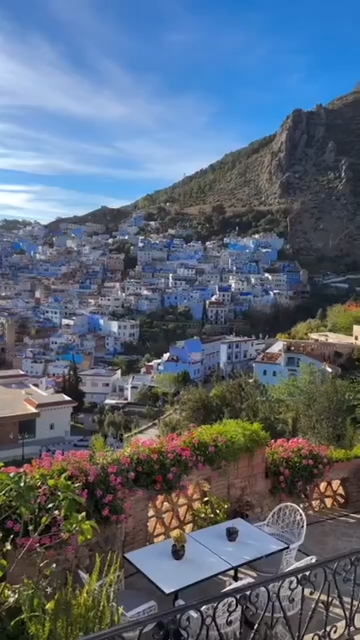
Morocco offers a stunning blend of ancient medinas, mountain landscapes, and vibrant culture
Understanding the Morocco dress code is the starting point for building your packing list. For more details on local customs and staying safe, read our Morocco safety guide. Morocco is a Muslim-majority country, but it is not as strict as some travelers expect. The general rule is simple: cover your shoulders and knees, especially when visiting medinas, mosques, and rural areas. In tourist resorts, beach towns, and modern city districts like Casablanca's Maarif or Marrakech's Gueliz, dress codes are notably more relaxed.
Nobody expects foreign visitors to dress exactly like locals. The goal is to show respect and blend in enough to be comfortable. Loose, breathable fabrics in neutral or earthy tones work best. Avoid anything too tight, too short, or too revealing in public areas. Inside your hotel or riad, you can wear whatever you like.
Non-Muslims cannot enter most mosques in Morocco (the Hassan II Mosque in Casablanca is a notable exception). When passing by mosques or visiting religious areas, both men and women should have knees and shoulders covered. Women may wish to carry a scarf to use as a loose head covering if entering the Hassan II Mosque.
Women's Clothing Tips
Female travelers often ask what to wear in Morocco as a woman. The key is modesty combined with practicality. You do not need to wear a hijab or long robes, but covering more skin will reduce unwanted attention and allow you to move through medinas and local neighborhoods with ease.
- Loose-fitting trousers or maxi skirts — linen or cotton blends that breathe in the heat while keeping you covered
- Long tunics or loose blouses — that cover the hips and shoulders. T-shirts are fine if they cover the shoulders
- A large scarf or shawl — the most versatile item you can pack. Use it as a head covering for mosques, a wrap when evenings turn cool, or a blanket on overnight buses
- A light cardigan or jacket — for air-conditioned restaurants and cool evenings
- One modest dress — for nicer dinners at riads or rooftop restaurants
- Swimsuit — for hotel pools and hammams (bring a one-piece for mixed-gender hotel pools)
Choose natural fabrics (cotton, linen, viscose) over synthetics. They breathe better in the heat and dry faster after washing. Earthy tones like beige, olive, cream, and terracotta also show less dust from unpaved roads.
Men's Clothing Tips
Men have fewer restrictions but should still aim for a respectful appearance, particularly in traditional areas. Moroccan men typically wear long trousers even in summer heat.
- Lightweight chinos or cotton trousers — two to three pairs in neutral colors will see you through most situations
- Breathable button-down shirts or polo shirts — avoid sleeveless tank tops in medinas and rural areas
- Shorts — acceptable at beach resorts and in your hotel, but knee-length or longer is best for city exploration
- A light layer — fleece, hoodie, or linen jacket for cool evenings, especially in mountain areas
- Swim trunks — for hotel pools and coastal towns
Clothing by Season
Summer (June – August)
Temperatures regularly exceed 40°C in Marrakech and the desert. Pack your lightest, most breathable clothing. Cotton and linen are your best friends. A wide-brimmed sun hat is essential, along with UV-protective sunglasses. Evenings in coastal cities like Essaouira can be surprisingly windy, so bring a light windbreaker.
Winter (December – February)
Winter in Morocco is milder than most of Europe, with daytime temperatures around 18–22°C in Marrakech. However, evenings drop to 5–8°C, and many riads and guesthouses lack central heating. Pack a warm fleece or down jacket, a pair of thermal layers if heading to the Atlas Mountains (where snow is common), and warm socks. Layering is the winning strategy.
Spring & Fall (March – May, September – November)
The best seasons to visit Morocco offer comfortable temperatures between 20–30°C. Pack layers: a mix of short-sleeved and long-sleeved tops, one light jacket, and a scarf for cooler evenings. Spring can bring occasional rain, especially in the north, so a packable rain jacket is wise. Fall is drier but evenings cool quickly once the sun sets.
Packing for the Sahara Desert
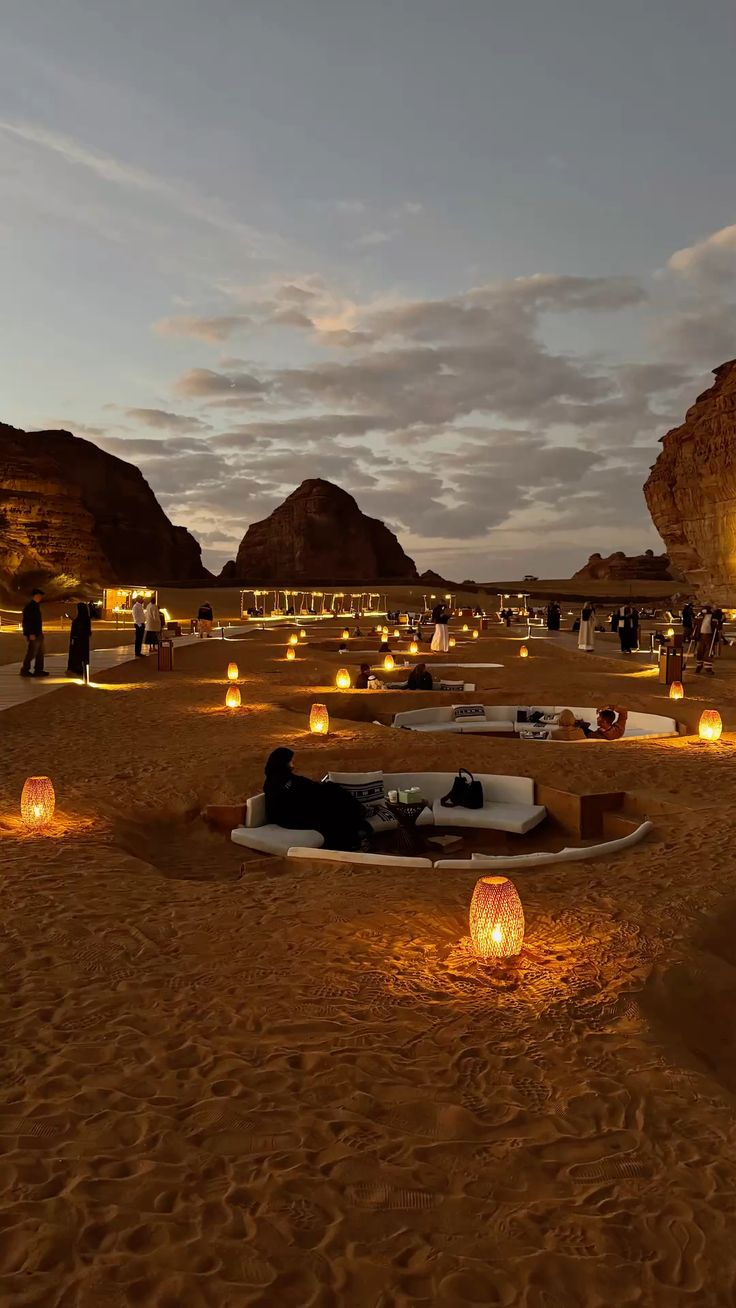
The Sahara Desert demands specific packing for extreme temperature swings between day and night
A Sahara desert trip from Marrakech or Fes is a highlight of any Morocco itinerary. Our Sahara Desert Morocco guide covers tour options, camp types, and booking tips in full detail. The desert demands specific packing considerations because temperature swings are extreme: searing heat during the day and near-freezing at night.
- Loose long-sleeved shirt and trousers — protects from sun and sand
- A warm layer for nights — desert camps can drop below 5°C after midnight, even in spring
- Closed-toe shoes or sturdy sandals — sand gets extremely hot during the day
- Scarf or desert turban (cheche) — to protect face and neck from sand. You can buy one at every desert town for 20–30 MAD
- Sunscreen SPF 50+ — reapply frequently, UV is intense at altitude
- Headlamp or small flashlight — desert camps have limited lighting
- Extra water — most tours provide water but carrying extra is always smart
- ✅ 3-day Sahara safari from Marrakech — meals & camp included
- ✅ Camel trek, sandboarding & stargazing
- ✅ Free cancellation up to 24h before
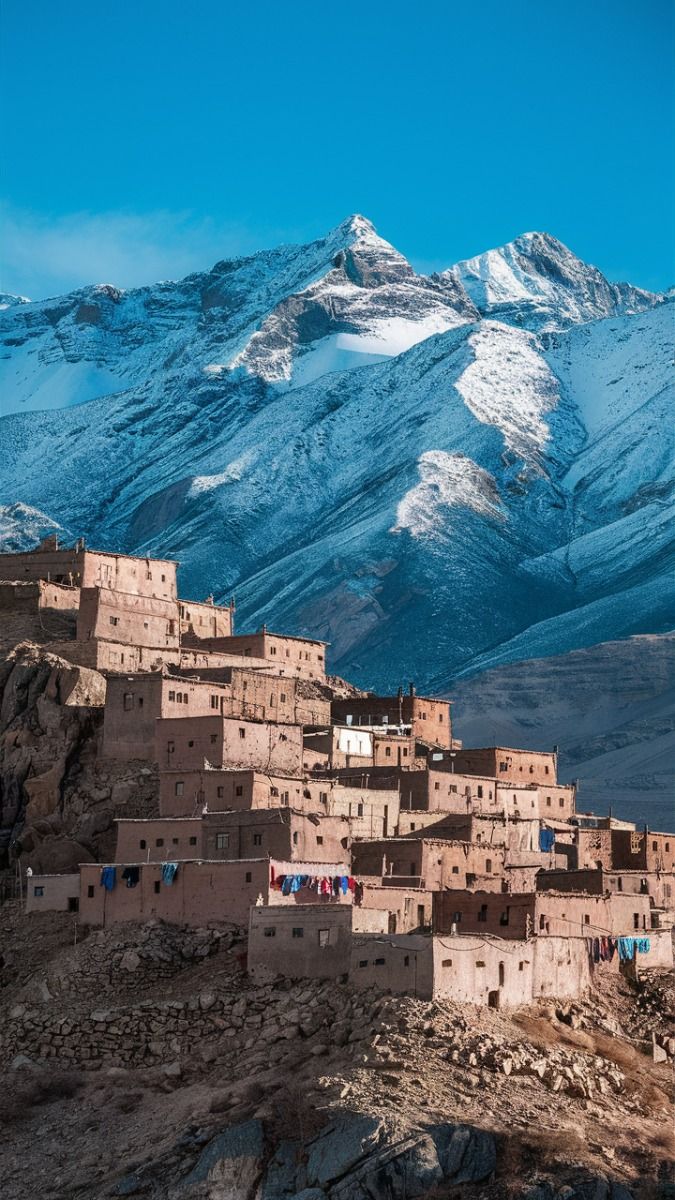
Layered clothing is essential for trekking in the Atlas Mountains where temperatures vary greatly with altitude
Footwear
Choosing the right shoes for Morocco is critical. Medina streets feature uneven cobblestones, steep steps, and occasional puddles. A day of exploring can easily cover 10–15 kilometers on foot.
- Comfortable walking shoes — your number-one essential. Choose broken-in sneakers or supportive travel shoes with good grip for slippery medina streets
- Sandals with ankle straps — for warmer days and relaxed evenings. Avoid flip-flops for long walks as they offer no support on cobblestones
- Hiking boots — if you plan to trek in the Atlas Mountains. Ankle support is important on rocky trails, especially around Toubkal
- Lightweight slip-on shoes — for easy on-off when entering riads, mosques, and homes where shoes are removed at the door
Leather sandals and babouche slippers are sold everywhere in Morocco's souks for 80–200 MAD (8–20 EUR). They make great souvenirs and practical footwear. Negotiate the price — start at about half the asking price.
Electronics & Gadgets
Morocco uses type C and type E power outlets at 220V, the same as mainland Europe. If you are traveling from the United States, United Kingdom, Australia, or any country with different plugs, you will need a universal travel adapter.
- Universal power adapter — type C/E compatible. A multi-port USB adapter saves carrying multiple chargers
- Portable power bank (10,000–20,000 mAh) — essential for long desert tours, medina walks, and day trips where charging opportunities are limited
- Smartphone — for maps, translation apps, ride-hailing (inDrive works in Morocco), and booking
- Camera — Morocco is incredibly photogenic. A compact mirrorless or high-quality phone camera is sufficient for most travelers
- Small flashlight or headlamp — for desert camps and poorly lit medina alleys at night
- E-reader — for long bus rides and lazy riad afternoons (optional but lightweight)
Always ask permission before photographing people in Morocco. Many locals, particularly women and market vendors, do not wish to be photographed. Some may ask for a small tip (5–10 MAD) in exchange for a photo. Never photograph military buildings or police stations.
Toiletries & Health Essentials
Morocco has pharmacies on almost every city block, and basic toiletries are widely available. However, certain items are worth packing from home, especially if you have specific brand preferences or are heading to remote areas.
- Sunscreen SPF 50 — pack a good-quality one from home. Sunscreen in Morocco tends to be expensive (80–120 MAD for a small bottle)
- Insect repellent — mosquitoes are active in summer, particularly near oases and the coast
- Hand sanitizer — essential for street food stalls and public restrooms
- Wet wipes — invaluable for freshening up during long desert drives
- Basic medications — paracetamol, ibuprofen, anti-diarrhea tablets (stomach issues are common for first-time visitors), antihistamines, and any prescription medication you take regularly
- Rehydration salts — crucial if you experience heat or stomach issues
- Lip balm with SPF — the desert and mountain air is extremely dry
- Small pack of tissues — many public restrooms do not provide toilet paper
Moroccan pharmacies (look for the green cross sign) are well-stocked and pharmacists often speak French or English. Many medications that require prescriptions elsewhere are available over the counter in Morocco at very affordable prices.
Documents & Paperwork
Having the right travel documents for Morocco organized before departure eliminates stress at the border and throughout your trip.
- Passport — must be valid for at least 6 months from your entry date. Most nationalities (EU, US, UK, Canada, Australia) get visa-free entry for 90 days
- Travel insurance documents — print a copy and keep a digital version. Ensure it covers medical evacuation if you plan to trek in remote areas
- Printed hotel confirmations — immigration officers sometimes ask for proof of accommodation. Having a printout speeds up the process
- Flight tickets — both printed and saved offline on your phone
- Photocopies of your passport — keep a separate copy in your luggage in case of loss or theft
- International driving permit — required if you plan to rent a car, alongside your regular driving license
- Emergency contact list — printed with your embassy contact, insurance hotline, and local emergency number (police: 19, ambulance: 15)
Money Tips & Currency
The Moroccan Dirham (MAD) is the official currency. One euro is approximately 10.5–11 MAD (2026 rate). Knowing how to handle money in Morocco will save you both time and fees.
- Cash is king — souks, taxis, street food, small shops, and tips all require cash in Dirhams. Credit cards are accepted at hotels, large restaurants, and chain stores, but not in traditional markets
- How much cash to bring — for a first day or two, bring 100–200 EUR or equivalent to exchange on arrival. This covers taxis, meals, and initial expenses until you find an ATM
- Where to exchange — avoid airport exchange desks (poor rates). Instead, use ATMs in the city or official exchange offices (bureaux de change) in medinas. Banks like Attijariwafa, BMCE, and Banque Populaire offer reliable ATMs
- ATM tips — withdraw larger amounts to minimize per-transaction fees. Most ATMs allow withdrawals up to 2,000–4,000 MAD at a time. Always decline the ATM's currency conversion offer and let your bank handle the exchange
- Notify your bank — inform your bank of your travel dates to prevent card blocks
The Moroccan Dirham is a closed currency. You cannot officially bring Dirhams into or out of the country (limit of 2,000 MAD). Exchange any remaining Dirhams before departing, or spend them at the airport.
SIM Card & Internet
Staying connected in Morocco is easy and affordable. A local SIM card with data is one of the most useful Morocco travel essentials you can pick up on arrival.
- Buy a local SIM at the airport — Maroc Telecom, Inwi, and Orange all have booths at major airports. A tourist SIM with 20–30 GB of 4G data costs approximately 50–100 MAD (5–10 EUR) for 30 days
- Maroc Telecom has the best coverage in rural and desert areas
- Inwi and Orange offer competitive data packages and good urban coverage
- eSIM option — if your phone supports eSIM, services like Airalo and Holafly offer Morocco data plans you can activate before landing
- WiFi — most riads, hotels, and cafes have free WiFi, though speeds vary. Do not rely solely on WiFi if you need reliable navigation or communication
You need to show your passport to register a Moroccan SIM card. This is a legal requirement. Keep your passport handy at the airport telecom desk.
What NOT to Pack for Morocco
Knowing what to leave behind is just as important as knowing what to bring. These items either add unnecessary weight or can be purchased cheaply once you arrive.
- Excessive toiletries — shampoo, soap, and basic products are available everywhere at pharmacies and supermarkets like Marjane and Carrefour
- Too many shoes — three pairs maximum (walking shoes, sandals, and hiking boots if trekking). You can buy babouche slippers locally
- Expensive jewelry — flashy accessories attract unwanted attention. Leave valuable pieces at home and buy affordable Moroccan jewelry as souvenirs
- A heavy winter coat — unless you are trekking in the High Atlas in deep winter, layers work far better than one bulky coat
- Too many guidebooks — one physical book is plenty. Use apps like Google Maps (download offline maps before you go) and our AI itinerary generator for the rest
- A full beach wardrobe — unless your trip is beach-focused, one swimsuit is enough. Beach wraps and towels are sold at coastal towns
- Drone — drone regulations in Morocco are strict, and flying without a permit can result in confiscation. Leave it at home unless you have obtained advance permission
Seasonal Packing Checklists
Use these ready-to-go checklists based on your travel season. Each list covers the essentials you should not forget.
Summer Packing Checklist (June – August)
- Lightweight cotton/linen trousers (2–3 pairs)
- Loose short-sleeved tops (3–4)
- One long-sleeved breathable shirt (sun protection)
- Maxi skirt or loose dress (women)
- Large scarf or shawl
- Wide-brimmed sun hat
- UV-protective sunglasses
- Comfortable walking shoes
- Sandals with ankle straps
- Swimsuit
- Sunscreen SPF 50
- Insect repellent
- Portable power bank
- Universal adapter (type C/E)
- Rehydration salts
- Light windbreaker (for coastal towns)
Winter Packing Checklist (December – February)
- Warm fleece or down jacket
- Thermal base layer (for Atlas treks)
- Long trousers (2–3 pairs)
- Long-sleeved shirts and sweaters (3–4)
- Warm scarf and gloves
- Beanie or warm hat
- Waterproof jacket or raincoat
- Comfortable walking shoes (waterproof preferred)
- Warm socks (3–4 pairs)
- Hiking boots (if trekking)
- Swimsuit (for heated hotel pools and hammams)
- Sunscreen SPF 50 (winter sun is still strong)
- Lip balm with SPF
- Portable power bank
- Universal adapter (type C/E)
- Hand cream (dry mountain air)
Spring & Fall Packing Checklist (March–May, Sept–Nov)
- Mix of short-sleeved and long-sleeved tops (4–5)
- Lightweight trousers (2–3 pairs)
- One pair of shorts (for beach towns)
- Light jacket or cardigan
- Packable rain jacket
- Scarf or shawl
- Sun hat and sunglasses
- Comfortable walking shoes
- Sandals
- Swimsuit
- Sunscreen SPF 50
- Insect repellent
- Portable power bank
- Universal adapter (type C/E)
- Small daypack for excursions
- ✅ Guided Marrakech Medina tour — skip the hassle
- ✅ 3-day Sahara desert safari with all gear provided
- ✅ Free cancellation on all tours
Frequently Asked Questions
Ready to Plan Your Morocco Trip?
Use our AI-powered itinerary generator to build a custom Morocco travel plan in minutes — based on your dates, budget, and interests.