Why a Road Trip Is the Best Way to See Morocco
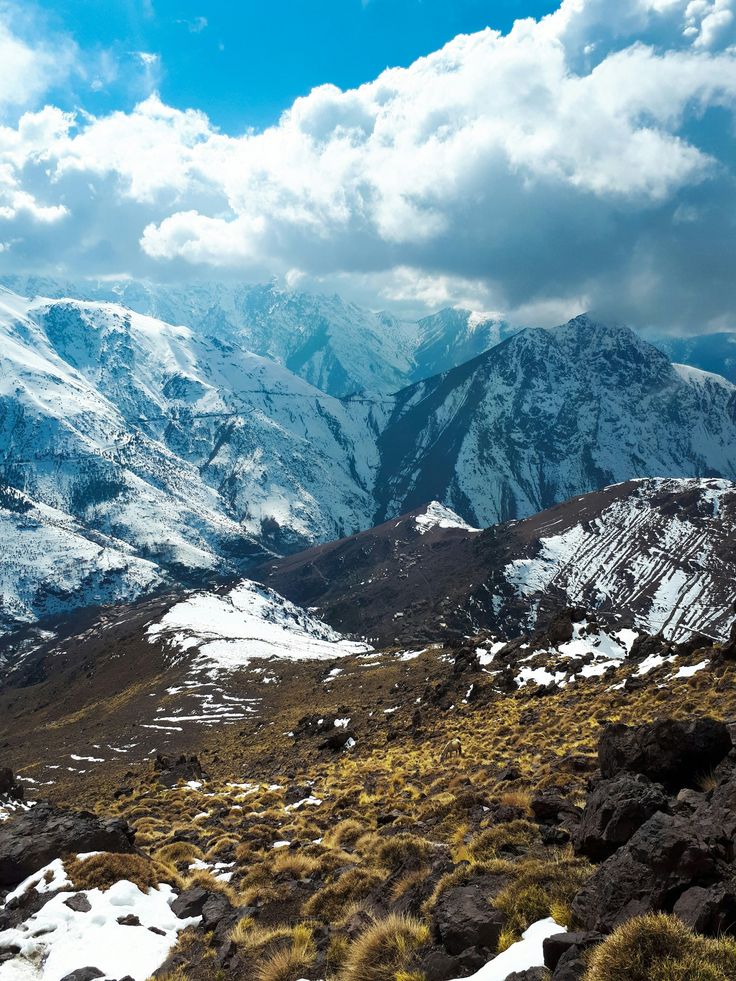
The Atlas Mountains offer some of the most spectacular driving roads in North Africa
A Morocco road trip offers something no guided tour or train ride can match: complete freedom. You stop wherever you want, linger at an Atlas Mountain viewpoint for as long as you like, and discover remote Berber villages that no bus will ever reach. The landscapes shift every hour — from snow-capped peaks to palm-filled oases, from golden Sahara dunes to windswept Atlantic cliffs.
Morocco's road infrastructure has improved dramatically in recent years. A modern motorway network connects the major cities, while national roads through the mountains and desert are paved and well-signposted. Petrol stations are frequent on main routes, and Marrakech and Fes airports make convenient start and end points.
Whether you are planning a short 5-day coastal drive or the full 10-day loop through the desert and imperial cities, this guide covers everything: driving rules, car rental costs, four tested routes, fuel and toll expenses, parking strategies, safety advice, scenic highlights and a complete budget breakdown so you can plan your Morocco self drive adventure with confidence. If you prefer a guided approach without renting a car, our 7-day Morocco itinerary covers the same highlights using tours and public transport.
March to May and September to November are ideal. Temperatures range from 20-30 degrees C, mountain passes are open, and the desert is comfortable. Avoid July-August (extreme heat in the south, 45 degrees C+) and mid-winter when Atlas passes can close due to snow.
Driving in Morocco: Rules, Licence & Road Conditions
Licence requirements
EU, UK and Swiss licences are valid in Morocco for tourist stays of up to 90 days — no International Driving Permit (IDP) required. US, Canadian and Australian drivers should carry an IDP alongside their home licence. You can obtain one from your national automobile association for around $20 before departure. Always keep your licence, passport and rental contract in the car.
Key driving rules
- Drive on the right side of the road (same as continental Europe and the US).
- Speed limits: 60 km/h in towns, 100 km/h on national roads, 120 km/h on motorways. Speed cameras are common — fines are payable on the spot.
- Seatbelts are mandatory for all passengers. Children under 10 must sit in the back.
- Alcohol limit: zero tolerance policy. Do not drink and drive.
- Mobile phones: hands-free only. Penalties for handheld use.
- Roundabouts: vehicles already in the roundabout have priority (French-style).
Road conditions
Motorways (autoroutes) between Tangier, Rabat, Casablanca, Marrakech, Agadir and Oujda are in excellent condition — modern dual carriageways with rest areas. National roads (routes nationales) are paved and generally good, though narrower in mountain and gorge areas. Unpaved tracks in the deep desert or High Atlas require a 4x4, but the routes in this guide are all achievable in a standard rental car.
Moroccan driving culture is more assertive than in Europe. Expect overtaking on blind corners, mopeds weaving through traffic, and pedestrians crossing unexpectedly. Stay alert, use your horn as a warning (not aggression), and drive defensively. Outside cities, watch for donkeys, sheep and camels on the road, especially at dusk.
Car Rental Tips & Costs
International vs local agencies
International brands (Europcar, Hertz, Avis, Sixt) offer reliable service, newer fleets and seamless online booking with free cancellation. They operate from all airports and major cities. Expect to pay a slight premium for the peace of mind and English-speaking support.
Local agencies (Medousa Cars, Afrique Cars, Dollar Morocco) are 15-30% cheaper and offer good value for experienced travelers. However, contracts can be in French or Arabic, insurance terms may be less transparent, and dispute resolution is harder. Always photograph the vehicle thoroughly before driving off.
Rental costs
| Vehicle Type | Example | Cost / Day | Best For |
|---|---|---|---|
| Economy | Dacia Logan | €20-25 | City trips, coast drives |
| Compact SUV | Dacia Duster | €30-40 | Atlas passes, desert routes |
| Mid-size | VW Golf / Clio | €25-35 | Long highway distances |
| 4x4 | Toyota RAV4 | €50-70 | Off-road pistes only |
Insurance essentials
Basic third-party insurance is included by law in every rental. However, you should always add CDW (Collision Damage Waiver) and theft protection, which adds 8-15 EUR/day. Check if your credit card provides rental car coverage to avoid paying twice. The excess (franchise) is typically 3,000-5,000 MAD — you can buy a Super CDW to reduce it to zero for an extra 5-10 EUR/day.
Book at least 2-3 weeks in advance online for the best rates. Picking up and dropping off at the same airport avoids one-way fees (100-200 EUR). Request a diesel car — fuel is cheaper and tank range is much better for long desert stretches. Always decline the GPS add-on and use Google Maps offline instead (free).
Best Road Trip Routes
Mountain passes through the High Atlas reveal Berber villages and breathtaking valley views
Below are four tested itineraries covering Morocco's most rewarding landscapes. Each one is drivable in a standard rental car (no 4x4 needed). Click through to our detailed day-by-day itinerary guides for overnight recommendations and daily budgets.
Route 1: The Classic 10-Day Loop
Marrakech → Ait Benhaddou → Todra Gorge → Merzouga → Fes → Chefchaouen → Rabat → Marrakech
The ultimate Morocco road trip itinerary. This loop covers the greatest diversity of landscapes in the country: the High Atlas via Tizi n'Tichka pass, the Sahara dunes at Merzouga, the medieval medina of Fes, the blue streets of Chefchaouen, and the coastal capital Rabat.
- Day 1-2: Marrakech → Tizi n'Tichka → Ait Benhaddou → Ouarzazate (185 km)
- Day 3: Ouarzazate → Dades Gorge → Todra Gorge (170 km)
- Day 4: Todra Gorge → Merzouga / Erg Chebbi (260 km)
- Day 5: Merzouga → Ziz Valley → Ifrane → Fes (470 km)
- Day 6-7: Fes (explore the medina, park the car)
- Day 8: Fes → Chefchaouen (200 km)
- Day 9: Chefchaouen → Rabat (280 km)
- Day 10: Rabat → Marrakech via motorway (325 km)
🌟 Don't miss the desert experience
3-day Merzouga desert safari with camel trek, camp dinner & sunrise
Check availability & prices →Route 2: Atlantic Coast
Casablanca → Rabat → Asilah → Tangier → Chefchaouen
A relaxed coastal drive along the Atlantic with charming port towns, surf beaches and whitewashed medinas. This route stays on flat motorways and good coastal roads, making it ideal for first-time drivers in Morocco. Consider adding an Essaouira detour if you start from Marrakech instead of Casablanca.
- Day 1: Casablanca — Hassan II Mosque, Corniche (explore on arrival day)
- Day 2: Casablanca → Rabat — Kasbah of the Udayas, Chellah (90 km)
- Day 3: Rabat → Asilah — painted murals, beach walk (200 km)
- Day 4-5: Asilah → Tangier — Cap Spartel, Caves of Hercules (45 km)
- Day 6-7: Tangier → Chefchaouen — the blue city (115 km via Tetouan)
Route 3: Southern Adventure
Marrakech → Atlas Mountains → Ouarzazate → Draa Valley → Sahara
For travelers who want to go deep into southern Morocco. This route focuses on the dramatic scenery of the Atlas, the ancient caravan route of the Draa Valley, and the vast Sahara dunes. Some stretches are remote with fewer services — fill up your tank at every opportunity.
- Day 1: Marrakech → Tizi n'Tichka pass → Ait Benhaddou (185 km)
- Day 2: Ait Benhaddou → Ouarzazate → Agdz → Draa Valley (160 km)
- Day 3: Draa Valley → Zagora → M'Hamid (95 km, gateway to Erg Chigaga)
- Day 4: Desert day — camel trek, overnight in Sahara camp
- Day 5-6: Return via N10 to Ouarzazate or continue to Merzouga (350 km)
- Day 7: Return to Marrakech via Ouarzazate (380 km)
Route 4: Northern Morocco
Tangier → Tetouan → Chefchaouen → Fes → Meknes
A cultural road trip through northern Morocco's most historic cities. This route combines Mediterranean charm in Tangier and Tetouan with the mountain magic of Chefchaouen and the imperial grandeur of Fes and Meknes. Roads are excellent throughout and distances are short.
- Day 1-2: Tangier — Medina, Cap Spartel, Kasbah Museum
- Day 3: Tangier → Tetouan — Spanish-Moorish medina, UNESCO site (60 km)
- Day 4: Tetouan → Chefchaouen — the blue pearl of the Rif (65 km)
- Day 5: Chefchaouen → Fes via Ouazzane (200 km)
- Day 6: Fes — medina, tanneries, Bou Inania madrasa
- Day 7: Fes → Meknes → Volubilis Roman ruins → return (130 km loop)
Fuel Costs & Gas Stations
Fuel prices in Morocco in 2026 are approximately 12-14 MAD per litre (around 1.10-1.30 EUR) for both diesel (gasoil) and petrol (essence). Diesel is slightly cheaper and offers better range — always request a diesel car from your rental agency.
For a compact car averaging 6-7 litres per 100 km, a 2,500 km road trip costs approximately 180-230 EUR in fuel. An SUV consuming 8-9 litres per 100 km will cost 240-300 EUR.
Gas station coverage is excellent along motorways and national roads. Major brands include Afriquia, Shell, Total and Winxo. Stations accept cash (dirhams) and most accept credit cards. In remote desert and mountain stretches (Merzouga to Errachidia, deep Draa Valley), stations can be 80-100 km apart — never let your tank drop below a quarter.
Fill up in cities and at motorway stations where prices are regulated and consistent. Small roadside stations in rural areas may charge 1-2 MAD more per litre. Keep your receipt in case of any quality issues with the rental company.
Toll Roads & Highways
Morocco has a well-maintained motorway (autoroute) network operated by ADM (Autoroutes du Maroc). Tolls are paid at booths in cash (dirhams) or by the Jawaz electronic tag. As a tourist with a rental car, you will pay in cash at each booth.
Typical toll costs:
- Marrakech → Casablanca: ~70 MAD (6 EUR)
- Casablanca → Rabat: ~30 MAD (2.70 EUR)
- Rabat → Tangier: ~110 MAD (10 EUR)
- Marrakech → Agadir: ~100 MAD (9 EUR)
- Full 10-day loop total: approximately 500-700 MAD (45-65 EUR)
Keep small notes and coins handy. Some toll booths, especially on quieter stretches, only accept cash. The motorways save significant time — Marrakech to Casablanca takes 2.5 hours on the autoroute versus 4+ hours on the national road — and the surface quality makes them worth the modest cost.
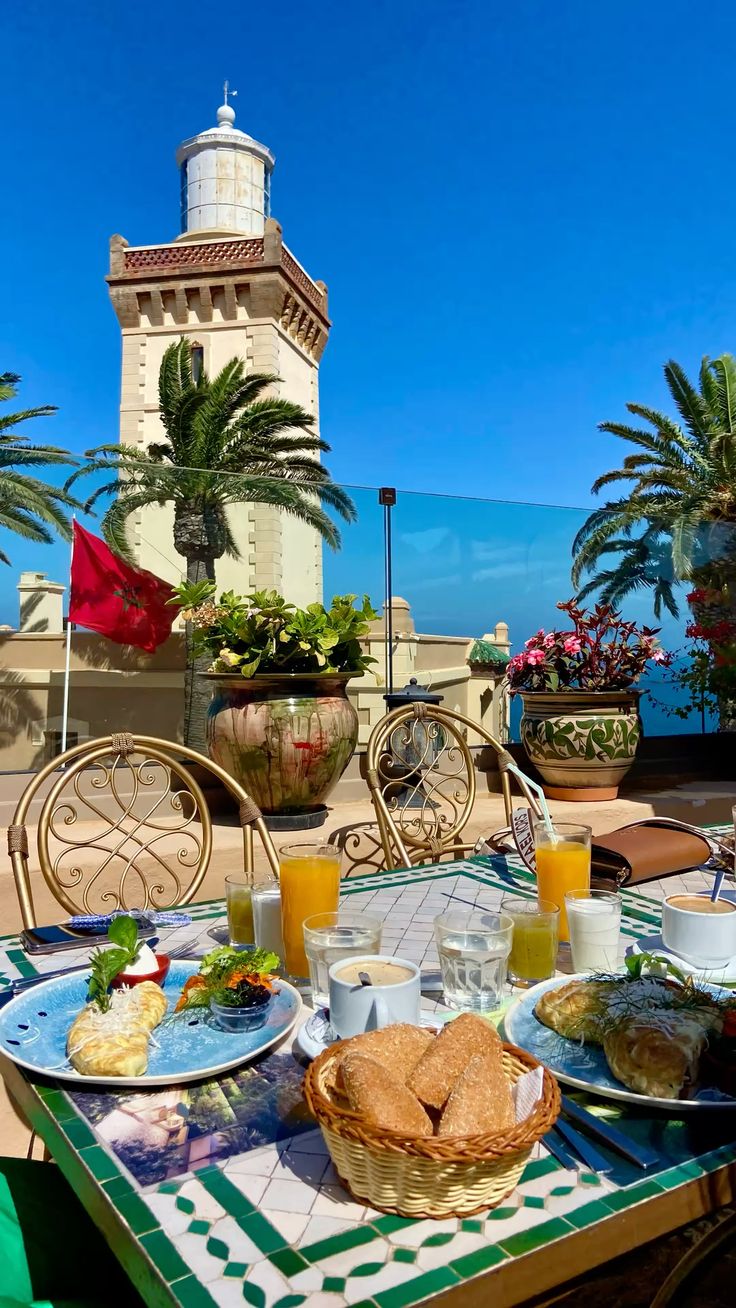
Cap Spartel near Tangier marks the meeting point of the Atlantic Ocean and the Mediterranean Sea
Parking Tips in Cities
Parking in Moroccan cities requires a strategy. Here is what works:
- Medina parking: Never attempt to drive into a medina. Use designated car parks outside the walls. Most riads can direct you to the nearest guarded lot (20-40 MAD per night).
- Unofficial guardians (gardiens): In every city, you will encounter men in fluorescent vests who "watch" your car on the street. Tip them 5-10 MAD when you return. This is a widely accepted system and actually provides a layer of security.
- Hotel parking: Always ask your accommodation about parking when booking. Many riads in Marrakech, Fes and Chefchaouen have arrangements with nearby garages at reduced rates or offer free secure parking.
- Never leave valuables visible in the car, even in a guarded lot. Keep your luggage in the boot and the car looking empty.
Safety on Moroccan Roads
Mountain passes: Roads like Tizi n'Tichka (2,260 m) have tight hairpin bends with steep drops. Stay in your lane, use low gear on descents, and watch for trucks taking wide lines on corners.
Night driving: Strongly discouraged outside cities. Unlit donkey carts, pedestrians in dark clothing, broken-down vehicles without hazard lights, and animals on the road are common. If your day's driving overruns, stay overnight and continue at dawn.
Animals on roads: Sheep, goats, donkeys and camels regularly cross roads in rural areas. Slow down when passing through villages and near water sources, especially at dawn and dusk.
Aggressive overtaking: Moroccan drivers may overtake on blind corners or approaching hills. Maintain your line, stay predictable, and never swerve. Use your horn to signal your presence when approaching blind bends in the mountains.
Police checkpoints
Police and gendarmerie checkpoints are common throughout Morocco, especially near cities and on desert routes. They are routine — stop, show your licence and rental contract, answer politely, and you will be waved through in seconds. Always carry your documents. Speed traps with handheld radar are frequent on national roads approaching towns.
Breakdown and emergency
Morocco's emergency number is 19 (police) and 15 (ambulance). Your rental agency should provide 24-hour roadside assistance — save the number in your phone before departing. Major agencies like Europcar and Hertz have their own roadside networks. For remote breakdowns, flag down passing traffic — Moroccans are exceptionally helpful to stranded drivers.
Scenic Must-Stop Points
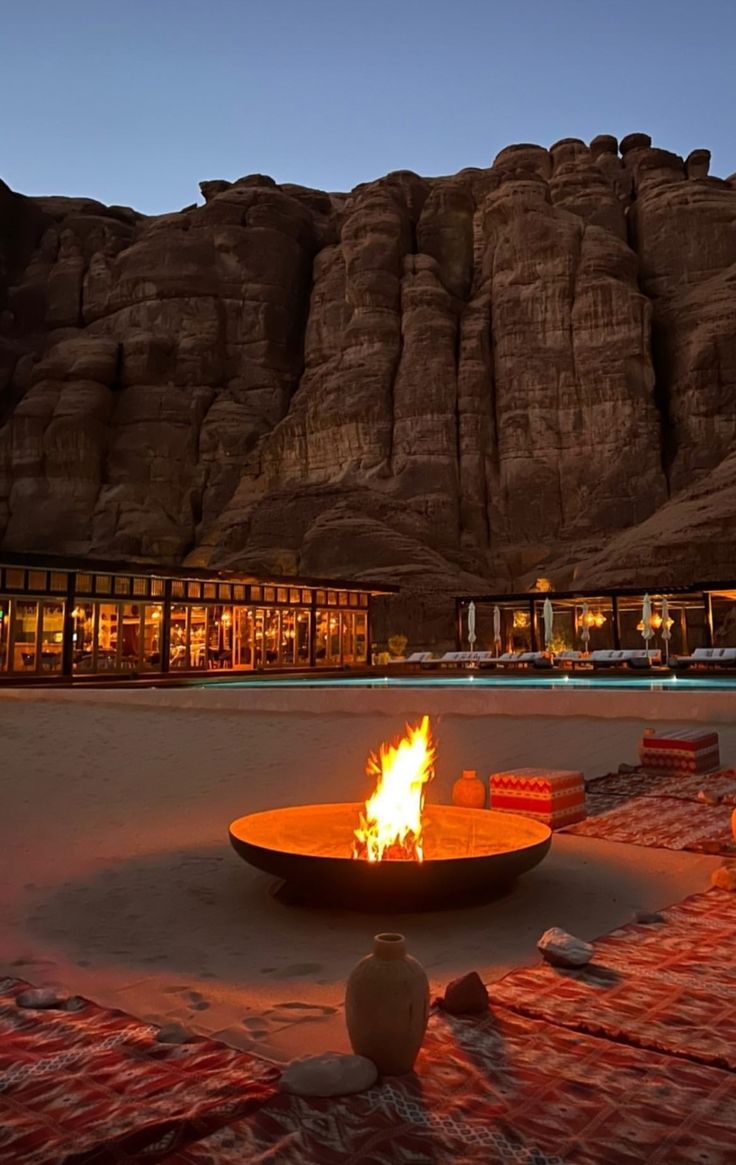
The Sahara Desert near Merzouga is an unforgettable stop on any Morocco road trip
These are the road trip highlights that make driving in Morocco unforgettable. Build extra time into your schedule for these stops:
Tizi n'Tichka Pass (2,260 m)
The highest paved pass in North Africa. The drive from Marrakech climbs through Berber villages, red-earth valleys and almond groves before reaching the summit with panoramic views of the High Atlas range. Allow 30 minutes at the top for photos and to browse the mineral and fossil stalls. The descent towards Ouarzazate reveals a completely different landscape — arid, dramatic, cinematic.
Todra Gorge
A 300-metre-deep canyon with vertical limestone walls narrowing to just 10 metres apart at the bottom. Drive straight into the gorge on a paved road and park at the base. The morning light is extraordinary when the sun hits the orange rock face. Popular with rock climbers but equally spectacular for drivers just passing through.
Dades Valley (Valley of a Thousand Kasbahs)
Between Ouarzazate and Tinghir, the road passes through a river valley lined with ancient mud-brick kasbahs and fortress villages. The famous hairpin section near Ait Arbi offers one of the most photographed roads in Morocco — tight switchbacks carved into red rock with palm oases far below.
Ziz Valley & Gorge
On the route between Merzouga and Fes, the N13 descends through the spectacular Ziz Gorge. Stop at the viewpoint above Errachidia for a sweeping vista of the palm-filled valley. The blue reservoir of the Hassan Addakhil dam creates a surreal oasis in the otherwise barren landscape.
Erg Chebbi Dunes (Merzouga)
The most iconic sight of any Morocco road trip — towering orange sand dunes rising to 150 metres at the edge of the Sahara. Arrive in late afternoon for the best light, then take a camel trek to a desert camp for sunset, stargazing and sunrise over the dunes.
🌟 Explore Marrakech before hitting the road
Guided medina tour with souks, monuments & local insights
Book the medina tour →Budget Breakdown for a 10-Day Road Trip
Below is a realistic budget for a 10-day Morocco road trip for two people sharing a car and accommodation. All figures are in euros.
| Expense | Budget | Mid-Range | Comfort |
|---|---|---|---|
| Car rental (10 days) | €200-250 | €300-350 | €400-500 |
| Full insurance (CDW + theft) | €80-100 | €100-120 | €120-150 |
| Fuel (~2,500 km) | €180-210 | €200-230 | €230-280 |
| Tolls | €45-55 | €50-65 | €50-65 |
| Accommodation (9 nights) | €180-270 | €360-540 | €630-900 |
| Food & drink | €150-200 | €250-350 | €400-550 |
| Activities & entrance fees | €50-80 | €100-200 | €200-350 |
| Parking & tips | €30-50 | €40-60 | €50-80 |
| Total (2 people) | €915-1,215 | €1,400-1,915 | €2,080-2,875 |
| Per person | €460-610 | €700-960 | €1,040-1,440 |
Accommodation: Riads and guesthouses in smaller towns (Ait Benhaddou, Todra, Chefchaouen) cost 20-40 EUR/night for a double room including breakfast. Food: Street food and local restaurants serve generous meals for 3-5 EUR per person. Activities: Many of Morocco's best experiences — driving the passes, walking the medinas, watching the sunset over the dunes — are completely free.
🗺 Build your custom Morocco itinerary
Use our AI-powered trip planner to create a day-by-day road trip schedule with hotels, costs & activities
Plan My Road Trip →Frequently Asked Questions
Book Top-Rated Activities Along Your Route
Free cancellation up to 24h before departure. Instant confirmation. Verified traveler reviews.