Is Morocco safe? This is the number one question we get from travelers planning their first trip to the Kingdom. The short answer: yes, Morocco is generally safe for tourists in 2026. Millions of travelers visit every year and the overwhelming majority have wonderful, incident-free experiences. But like any destination, Morocco has its own quirks, scams, and situations that require awareness.
This guide is written from a local perspective — no sugarcoating, no fearmongering. Once you feel confident about safety, head to our 7-day Morocco itinerary to start planning your route. We will cover real risks, city-by-city safety, specific advice for solo female travelers, health concerns, transport safety, and 10 practical tips that will make your trip smooth and stress-free. Whether you are backpacking solo or traveling with family, this Morocco safety guide has you covered.
Morocco ranks as one of the safest countries in Africa and the Middle East-North Africa region. The Global Peace Index consistently places it ahead of popular destinations like Turkey, Mexico, and South Africa. Violent crime against tourists is extremely rare — the main concerns are petty theft and scams, both of which are easily avoidable.
Overall Safety Rating for Morocco in 2026
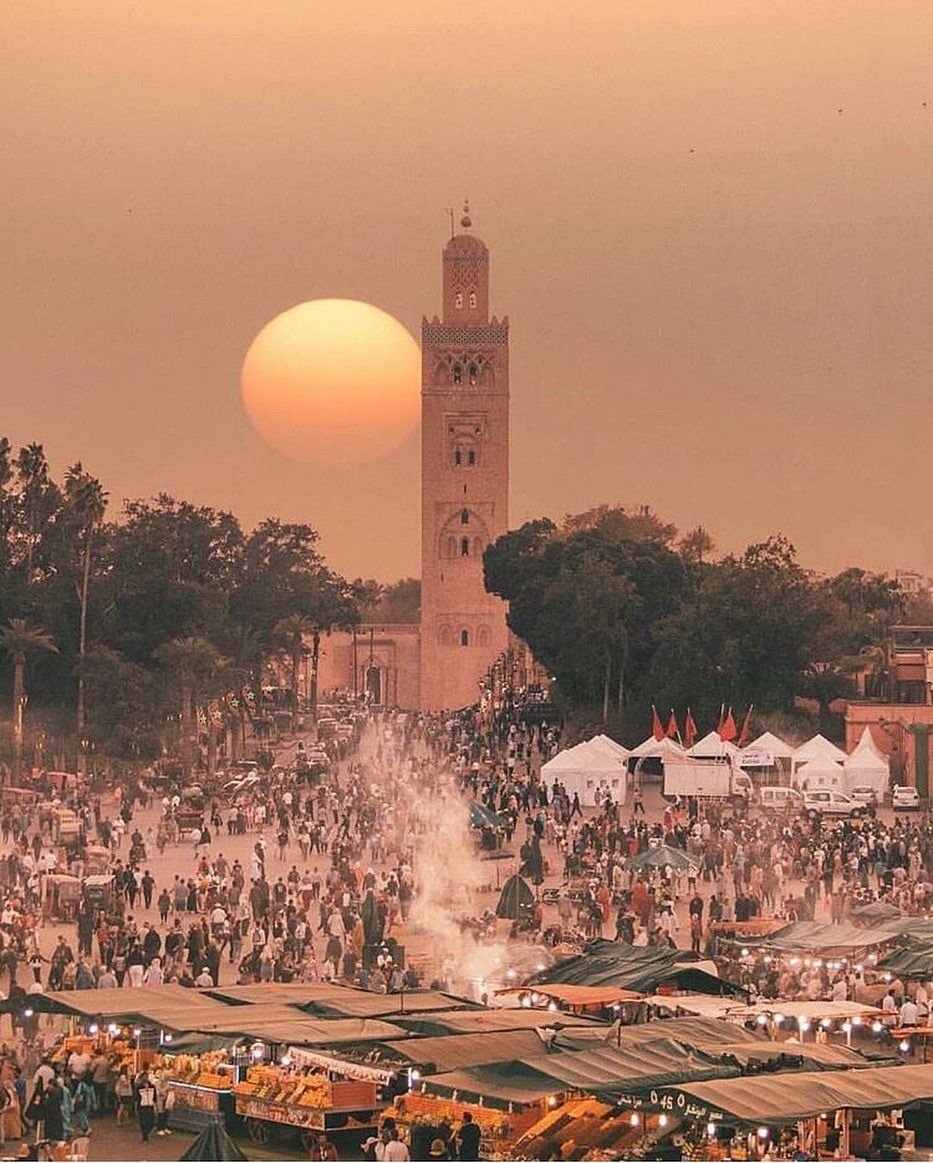
Jemaa el-Fna square in Marrakech — bustling yet safe for millions of visitors every year
Morocco welcomed over 15.9 million tourists in 2024, a record-breaking year, and the country continues to invest heavily in tourism infrastructure and security ahead of the 2030 FIFA World Cup. The Moroccan government has made tourist safety a national priority, deploying dedicated tourist police (Brigade Touristique) in every major city and installing surveillance cameras across medinas and transport hubs.
Compared to other popular travel destinations, Morocco travel safety is strong. Violent crime against visitors is extremely rare. The country does not have the gun violence seen in parts of the Americas or the terrorism concerns that have affected some European capitals. The main safety issues for tourists are petty in nature: pickpocketing, overcharging, and persistent touts. These are annoying but not dangerous, and they are concentrated in specific tourist zones that we will break down below.
Morocco also benefits from a strong security apparatus. The intelligence services are highly regarded internationally, and the country has successfully prevented numerous threats. Major tourist destinations have visible police presence, especially during peak seasons and holidays.
Crime & Petty Theft: Common Scams to Know
Let us be honest about the things that do happen. While violent crime targeting tourists is rare, petty theft and scams are real, particularly in busy tourist areas of Marrakech, Fes, and Casablanca. Here is what to watch for:
Medina & Souk Scams
- Unofficial guides: People who approach you offering to show you directions or lead you to a specific shop. They will then demand payment (often 100-200 MAD). Politely decline and keep walking.
- The henna trap: Women may grab your hand and start applying henna without asking, then demand 200+ MAD. Say "la shukran" (no thank you) firmly and keep your hands in your pockets.
- Carpet shop detours: A "friendly local" takes you through the medina and ends up at his cousin's carpet shop. The guide and the shopkeeper split the inflated price you pay.
- Inflated prices: Starting prices in souks can be 5-10x the fair price for tourists. Research typical costs beforehand and be prepared to bargain down to 30-40% of the asking price.
Taxi Overcharging
- Petit taxis: Always insist the driver starts the meter. If they refuse, find another taxi. A ride across Marrakech should cost 15-30 MAD, not 100+.
- Airport taxis: These operate on fixed fares displayed on a sign outside the terminal. Check the official rate before getting in. From Marrakech airport to the Medina, the fixed price is around 70-100 MAD.
- Best solution: Use ride-hailing apps like Careem or InDriver — they give you a fixed price upfront with GPS tracking.
If someone tells you a mosque, palace, or market is closed and offers to take you somewhere else, it is almost always a scam. Check the official opening hours yourself or ask your hotel. Major monuments do not close randomly.
Book a licensed guided tour to explore the medina confidently. A professional guide handles the navigation, deters touts, and gives you genuine cultural context. Most tours include free cancellation up to 24 hours before.
🔥 Guided Medina Tour — Explore Safely with a Local Expert
Licensed guide, small groups, hotel pickup included. Rated 4.8/5 by 2,400+ travelers.
👉 Check availability →Is Morocco Safe for Solo Female Travelers?
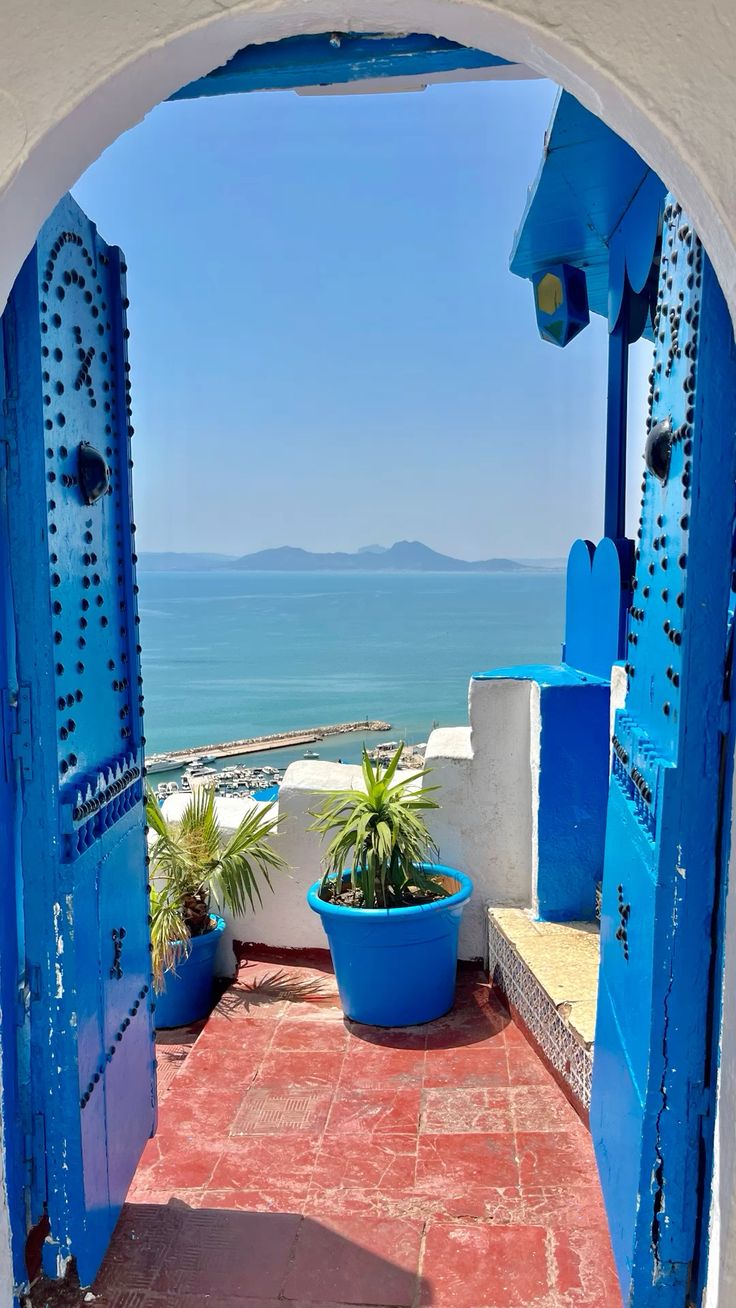
Chefchaouen — widely considered the safest city in Morocco for solo travelers
Is Morocco safe for solo female travelers? Yes, with the right preparation. Thousands of women travel solo in Morocco every year and have incredible experiences. That said, Morocco is a conservative Muslim country and the social dynamics are different from what Western women may be used to. Here is what to realistically expect:
What You May Experience
- Verbal attention: Catcalling and persistent comments from men happen, particularly in Marrakech and Fes medinas. It is annoying but almost never threatening. Ignoring it completely or wearing sunglasses and headphones works best.
- Staring: In more traditional areas, a solo foreign woman attracts attention. This is curiosity more than hostility, but it can feel uncomfortable if you are not prepared for it.
- Over-friendliness: Some men may start friendly conversations with ulterior motives (leading you to a shop, asking for your number). Trust your instincts and disengage when it feels off.
Practical Tips for Women Traveling Alone
- Dress code: Cover your shoulders and knees in medinas and traditional neighborhoods. You do not need a headscarf, but modest clothing dramatically reduces unwanted attention. In Essaouira or Agadir, the dress code is more relaxed. See our Morocco packing list for detailed clothing advice by season.
- Accommodation: Choose riads and hotels with good reviews from solo female travelers specifically. Hostels with women-only dorms are available in Marrakech, Fes, and Chefchaouen.
- Transport: Use Careem or InDriver instead of hailing random taxis at night. Sit in the back seat. For long distances, ONCF trains are safe and comfortable.
- Join group tours: For the Sahara desert, Atlas Mountains, or remote areas, a guided tour is strongly recommended. You get safety, logistics, and social company in one package.
- Share your location: Send your real-time GPS to someone you trust. WhatsApp's live location feature works perfectly for this.
Essaouira is the most welcoming city for women traveling alone — relaxed, international, and safe to walk at any hour. Chefchaouen and Rabat are excellent choices too. Marrakech is perfectly fine but requires more street awareness in the medina.
🔥 3-Day Sahara Desert Tour — Safe Group Experience
Small group, all meals included, experienced driver. Rated 4.9/5 by 3,100+ travelers. Ideal for solo travelers.
👉 Check availability →Safety by City: Where to Go & What to Expect
Marrakech
Safety level: Good (with awareness). Marrakech is Morocco's most visited city and has dedicated tourist police in the medina, Jemaa el-Fna, and Gueliz. The main issues are aggressive touts, pickpocketing in crowded souks, and taxi scams. Stay in well-reviewed riads inside the medina or reputable hotels in Gueliz. The new town (Gueliz and Hivernage) feels very European and safe at all hours. The medina is safe during the day but stick to main routes after 10 PM.
Fes
Safety level: Good (with a guide for the medina). Fes has the world's largest car-free urban area, and it is easy to get lost in the 9,000+ alleys. Getting lost is not dangerous, just frustrating. Unofficial guides are more aggressive here than in Marrakech. A licensed guide is almost essential for your first visit to the Fes medina — it genuinely makes the experience better and safer.
🔥 Fes Guided Tours — Navigate the World's Largest Medina
Licensed local guides, cultural immersion, hassle-free exploration of Fes medina.
👉 Browse Fes tours →Chefchaouen
Safety level: Excellent. The Blue Pearl of Morocco is one of the safest places in the country. It is small, walkable, and overwhelmingly peaceful. Crime against tourists is virtually nonexistent. The biggest risk here is twisting your ankle on the steep, uneven streets. Chefchaouen is a top pick for solo travelers, couples, and families alike.
Casablanca
Safety level: Moderate. Casablanca is a working city, not a tourist resort. The areas around Hassan II Mosque and the Corniche are perfectly safe and well-policed. The old medina and some peripheral neighborhoods can feel less comfortable after dark. Casablanca has higher rates of petty crime than other tourist cities because it is the economic capital with greater inequality. Keep valuables out of sight and avoid displaying expensive phones or jewelry in crowded areas.
Sahara Desert
Safety level: Excellent (with an organized tour). The desert regions around Merzouga and Zagora are incredibly safe. There is essentially no crime because there are no people outside the small villages. The only real risks are heat, dehydration, and getting lost if you go off-track without a guide. Always travel with an organized tour operator that provides proper vehicles, experienced drivers, and satellite communication.
Health & Food Safety in Morocco
Water
Do not drink tap water. While tap water in major Moroccan cities is treated, the mineral content differs from what your body is used to and can cause stomach discomfort. Bottled water is available everywhere for 5-7 MAD (around 0.50 EUR). In restaurants, always ask for sealed bottles. Avoid ice from street vendors, though ice in established restaurants and cafes is usually made from purified water.
Street Food
Moroccan street food is one of the highlights of any trip, and most of it is perfectly safe. The key is choosing the right stalls. Look for vendors with high turnover (a long line means fresh food), visible cooking processes (you can see the food being prepared), and clean setups. Jemaa el-Fna's food stalls in Marrakech have been operating for generations and are generally safe. Stick to fully cooked dishes like grilled meat, tagines, and fresh bread. Peel fruit yourself.
Pack a small travel pharmacy: anti-diarrhea medication, rehydration salts, basic painkillers, and hand sanitizer. Pharmacies (marked with a green cross) are everywhere in Morocco and pharmacists are qualified to advise on minor ailments without a doctor visit. Many medications available only by prescription in Europe are sold over the counter here.
Vaccinations
No vaccinations are legally required to enter Morocco (unless arriving from a yellow fever zone). However, it is wise to be up to date on routine vaccines (Hepatitis A, Typhoid, Tetanus). Consult your doctor or a travel clinic 4-6 weeks before your trip.
Transport Safety in Morocco
Driving
Driving in Morocco is an adventure in itself. Roads are generally well-maintained between major cities, but driving standards differ significantly from Europe or North America. Expect unpredictable overtaking, motorcycles weaving through traffic, pedestrians crossing highways, and donkeys on rural roads. If you rent a car, choose a reputable company, get full insurance, and avoid driving at night on rural roads where unlit obstacles are common. Mountain passes in the Atlas require experience and confidence.
Trains (ONCF)
Safety level: Very good. Morocco's train network is modern, reliable, and safe. The Al Boraq high-speed train between Casablanca and Tangier is world-class. First class is affordable and comfortable. Book tickets on the ONCF website or app. Trains are the safest and most comfortable way to travel between Casablanca, Rabat, Fes, Tangier, and Marrakech.
Buses
CTM and Supratours are the two premium bus companies and are safe, air-conditioned, and punctual. Avoid random local bus companies on long routes — they can be overcrowded and less maintained. For shorter routes, local buses are fine but expect a crowded experience.
Taxis
Petit taxis (within cities) and grand taxis (between cities) are safe but require vigilance on pricing. As mentioned above, always use the meter for petit taxis or agree on a fare before departure. For the safest experience, Careem and InDriver apps work in all major Moroccan cities and eliminate pricing disputes entirely.
Night Safety in Morocco
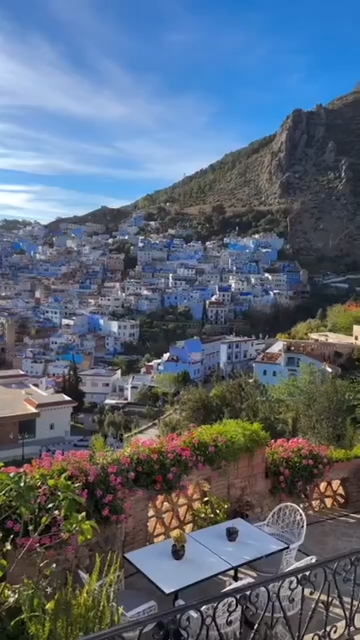
Morocco is a magnificent destination — safe, diverse, and welcoming to visitors
Morocco is not a country where you need to lock yourself in your hotel at sunset. In fact, evening life is one of the best parts of the Moroccan experience — Jemaa el-Fna comes alive at night, rooftop restaurants serve dinner under the stars, and medinas have a magical atmosphere after dark.
That said, exercise common sense:
- Stick to well-lit, busy areas in the medina after 10 PM. Main arteries and squares remain populated late, but side alleys empty out quickly.
- Avoid walking alone in deserted streets, particularly in the old medinas of Fes and Casablanca.
- Use ride-hailing apps (Careem, InDriver) instead of hailing random taxis on dark streets late at night.
- Bar and club areas in Gueliz (Marrakech), Gauthier (Casablanca), and Agdal (Rabat) are safe and well-policed.
- Alcohol is available in licensed bars, hotels, and restaurants. Public drunkenness is frowned upon and can attract negative attention. Drink responsibly.
Save your hotel or riad address in your phone with GPS coordinates. Medina addresses can be confusing even for taxi drivers. Having the exact pin location on Google Maps or Maps.me eliminates the risk of getting dropped off in the wrong place.
Emergency Numbers & Useful Contacts
Save these numbers in your phone before arriving in Morocco:
- Police: 19 (urban areas)
- Gendarmerie Royale: 177 (rural areas and highways)
- Fire & Ambulance: 15
- Tourist Police (Brigade Touristique): Available in Marrakech, Fes, Casablanca, Agadir, Tangier, and other tourist cities. Ask your hotel for the local number.
- SOS Doctors Morocco: Private doctors who make hotel visits. Available 24/7 in major cities.
- Your country's embassy: Register with your embassy before traveling. Most embassies are located in Rabat with consulates in Casablanca and Marrakech.
Moroccan pharmacies (look for the green cross sign) are open late and operate a rotation system so there is always one open 24/7 in every city, called the "pharmacie de garde." Pharmacists speak French and often English, and can treat many minor issues on the spot without a doctor visit.
10 Practical Safety Tips for Morocco
After years of guiding travelers through Morocco, these are the tips that make the biggest difference between a stressful trip and a fantastic one:
- Download Careem and InDriver before you arrive. These ride-hailing apps eliminate taxi scams entirely and work in all major cities.
- Get a local SIM card at the airport (Maroc Telecom, Orange, or Inwi). A 20 GB data plan costs around 50 MAD (5 EUR) and keeps you connected for maps, translation, and ride-hailing.
- Carry a photocopy of your passport and leave the original locked in your hotel safe. You only need the original for police checkpoints on road trips.
- Learn five words in Arabic: "Salam" (hello), "Shukran" (thank you), "La" (no), "Bezzaf" (too expensive), "B'saha" (enjoy your meal). Locals respond very warmly to even basic Arabic.
- Use a crossbody bag in crowded areas. Avoid dangling cameras, open backpacks, or back pockets for your phone or wallet.
- Agree on prices before any service — taxi rides, henna, photos with people in costume, guided help. If there is no agreed price, there will be a conflict.
- Book a guide for your first medina visit in Marrakech or Fes. This single decision eliminates most of the hassle that first-timers face.
- Respect photography etiquette. Always ask before photographing people, especially women and children. Some people in Jemaa el-Fna will charge for photos.
- Trust your instincts. If someone's behavior makes you uncomfortable, walk away. Moroccans as a whole are genuinely hospitable, but a small minority in tourist areas exploit visitors.
- Travel insurance is essential. Get a policy that covers medical emergencies, evacuation, and trip cancellation. Healthcare in Morocco is affordable but quality private hospitals expect upfront payment. Check our Morocco travel cost guide for typical insurance and healthcare prices.
🔥 Book a Licensed Guide — The Smartest Safety Move
A guided tour eliminates 90% of the hassles first-timers face in Moroccan medinas. Free cancellation included.
👉 Book a Marrakech guide →Ready to Plan Your Morocco Trip?
Use our free AI-powered tools to build your perfect itinerary, estimate costs, and book trusted experiences.