Tucked into the foothills of the Rif Mountains in northern Morocco, Chefchaouen is one of the most visually striking destinations on the planet. Known worldwide as the Blue City, its medina is a cascading maze of buildings washed in every shade of blue imaginable, from powdery sky blue to deep cobalt and indigo. Narrow lanes open onto hidden plazas, cats stretch across blue doorsteps, and flowerpots burst with color against azure walls. For photographers and wanderers alike, this is a place that feels like stepping inside a painting.
But Chefchaouen is more than an Instagram backdrop. Founded in 1471 as a small fortress to fight Portuguese invasions, the town has a rich history shaped by Berber, Andalusian, and Jewish communities. The tradition of painting buildings blue is often attributed to Jewish refugees who arrived in the 1930s, bringing the practice from their tradition where blue represents the sky and the divine. Today, residents maintain the tradition with pride, repainting their homes every spring.
This Chefchaouen travel guide covers everything you need to plan the perfect visit in 2026: how to get there, the best things to do, where to stay at every budget, what to eat, and how to time your trip for the best experience. Chefchaouen also makes a perfect stop on a Morocco road trip through the north. Whether you are arriving from Fes, Tangier, or further afield, this guide will help you make the most of Morocco's most enchanting mountain town.
How to Get to Chefchaouen
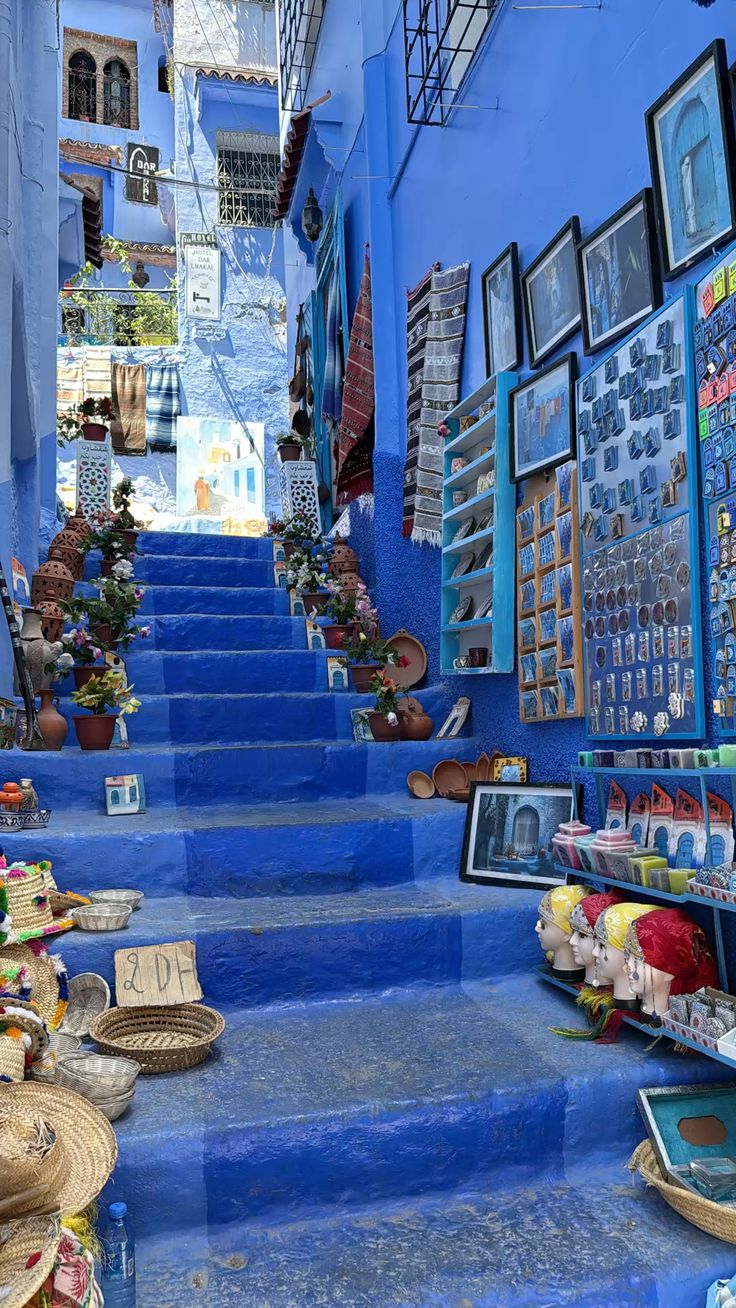
The iconic blue-washed streets of Chefchaouen make it one of the most photogenic towns in the world
Chefchaouen does not have an airport or a train station, so getting there requires a bus ride or taxi transfer from one of Morocco's larger cities. The journey itself is scenic, especially the final stretch through the Rif Mountains, but it is worth planning your transport in advance.
From Fes (4 hours)
Fes is the most popular gateway to Chefchaouen. If you have not yet decided which imperial city to use as your base, our Fes vs Marrakech comparison can help. CTM buses depart daily and take approximately 4 hours on a well-maintained mountain road. Tickets cost around 75 to 100 MAD (7 to 9 EUR). You can also take a grand taxi from the main taxi station, which takes about 3.5 hours and costs 100 to 120 MAD per person. For comfort and flexibility, many travelers book a private transfer or an organized day trip from Fes that includes stops along the way.
From Tangier (3 hours)
If you are arriving by ferry from Spain or flying into Tangier, the ride to Chefchaouen takes about 3 hours by bus or grand taxi. CTM buses run this route regularly. The road passes through beautiful Rif countryside, and the final approach through the mountains is spectacular.
From Marrakech (8-9 hours)
Marrakech to Chefchaouen is a long journey. The most practical option is to take a domestic flight from Marrakech to Fes (about 1 hour, from 400 MAD one way on Royal Air Maroc or Air Arabia) and then continue by bus or taxi to Chefchaouen. Alternatively, overnight CTM buses run the full route in about 8 to 9 hours. Many travelers break the journey with a night in Fes or Meknes.
Book CTM buses online at ctm.ma at least a day in advance, especially during spring and autumn when Chefchaouen is popular. Seats fill up quickly on the Fes-Chefchaouen route. If buses are full, grand taxis from the gare routiere are a reliable alternative.
🔥 Book a Guided Transfer or Day Trip
- ✅ Free cancellation up to 24h
- ✅ Door-to-door pickup from your hotel
- ✅ English-speaking drivers
8 Best Things to Do in Chefchaouen
Chefchaouen is a small town and most of its charm lies in slow exploration rather than rushing between sights. That said, there are several standout experiences that should be on every visitor's list. Here are the best things to do in Chefchaouen in 2026.
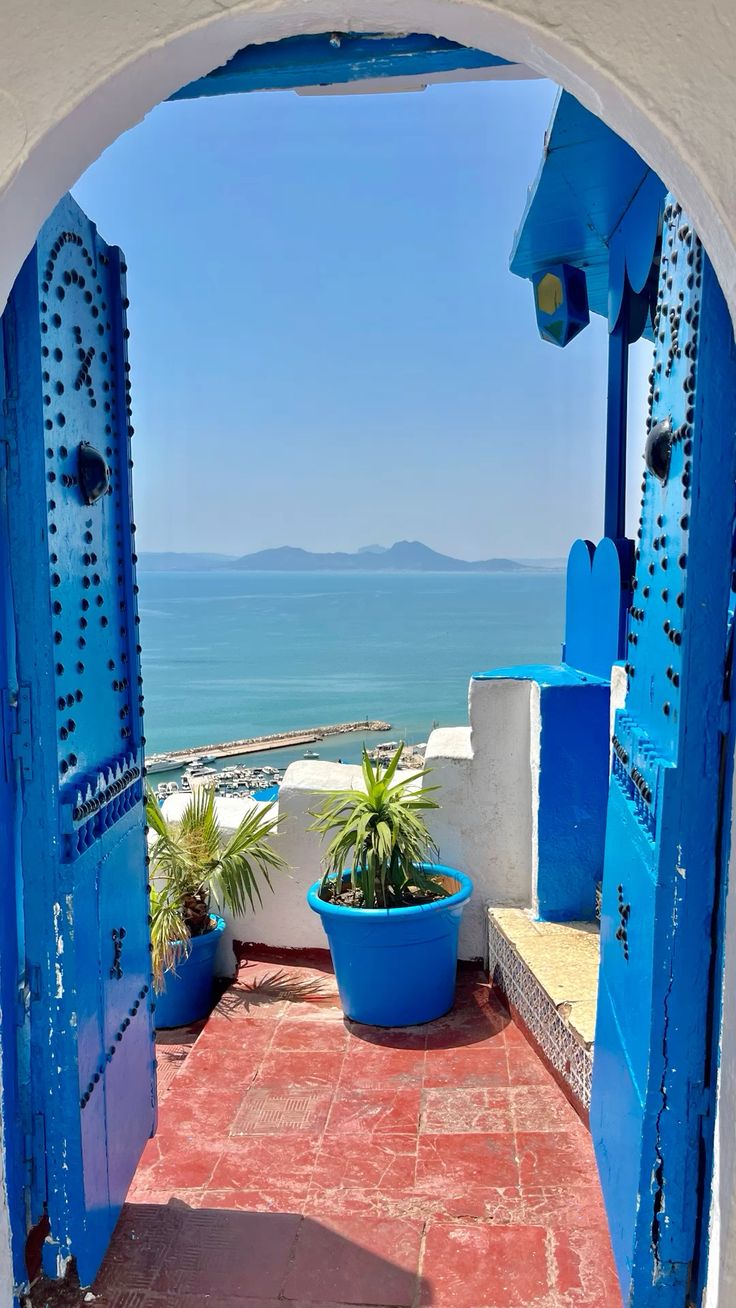
Every corner of Chefchaouen reveals a new composition of blue walls, wooden doors, and potted plants
1. Wander the Blue Medina
The heart of any visit to Chefchaouen is simply walking through its blue-painted medina. Unlike the vast, labyrinthine medinas of Fes or Marrakech, Chefchaouen's old town is compact and easy to navigate on foot. Every alleyway presents a new composition of blue walls, wooden doors, and potted plants. The most photogenic streets radiate outward from Place Outa el Hammam, the main square, and from the area around the Kasbah.
There is no set route to follow, and getting a little lost is part of the experience. Walk without a map, duck into narrow side streets, climb staircases that lead to small terraces with mountain views, and let the town reveal itself at its own pace. Early morning before 9 AM and late afternoon after 4 PM offer the best light for photography and the fewest crowds.
2. Hike to the Spanish Mosque at Sunset
Perched on a hill northeast of the medina, the Spanish Mosque (Mosquee Espagnole) offers the best panoramic view of Chefchaouen and the surrounding Rif Mountains. The mosque was built by Spanish troops during the colonial period in the 1920s but was never completed and has never been used for worship. Today, it serves as the town's premier viewpoint.
The hike from the medina takes about 20 to 30 minutes along a clearly marked dirt trail. The path starts near the Ras El Ma waterfall and climbs gradually through olive groves and wildflowers. Time your visit for sunset, when the town below glows golden and pink against the blue mountains. Bring water and wear comfortable shoes, as the trail can be dusty. For a full gear checklist, see our Morocco packing list. The view from the top is one of the most memorable in all of Morocco.
3. Visit Ras El Ma Waterfall
At the eastern edge of the medina, the Ras El Ma (Source of Water) is a small but charming waterfall where the river emerges from the mountainside. Local women come here to wash wool and clothing in the cold, crystal-clear water, just as they have done for generations. The area around the waterfall is a pleasant spot to sit, relax, and watch daily life unfold.
Several small cafes and restaurants near Ras El Ma offer terraces overlooking the water and the valley below. It is the ideal place for a mint tea break, particularly in the late afternoon. The waterfall also marks the starting point for the trail up to the Spanish Mosque.
4. Explore the Kasbah Museum
The Kasbah occupies the center of Place Outa el Hammam, the main square of Chefchaouen. Built in the 15th century by Moulay Ali Ben Rachid, the founder of the town, it served as a fortress and later a prison. Today, it houses a small but interesting ethnographic museum with displays of traditional Rif clothing, musical instruments, weapons, and photographs documenting the town's history.
The Kasbah's garden courtyard with its towering trees is a peaceful oasis in the center of town. Entry costs 10 MAD (about 1 EUR) and is well worth the small fee. Climb to the top of the towers for an elevated perspective over the medina rooftops and the mountains beyond.
5. Shop for Local Crafts
Chefchaouen has a thriving artisan scene, and shopping here is a far more relaxed experience than in Marrakech or Fes. The town is known for several distinctive local products. Handwoven wool blankets in bold stripes of red, blue, and white are perhaps the most iconic Chefchaouen souvenir. They are made by Berber women in the surrounding villages and sold in shops throughout the medina.
Other specialties include leather goods (bags, sandals, belts) in natural and dyed leather, blue pottery and ceramics, handmade soaps with local argan and olive oils, and woven baskets. Prices are generally lower than in the major cities, but bargaining is still expected. A good starting strategy is to offer about 60 percent of the initial asking price and negotiate from there.
6. Day Trip to Akchour Waterfalls & God's Bridge
The Akchour Waterfalls, located about 30 kilometers from Chefchaouen in the Talassemtane National Park, are one of the most spectacular natural sites in northern Morocco. The excursion involves a scenic hike through a lush river valley with turquoise pools, ending at a series of cascading waterfalls that plunge into a natural swimming hole.
The trail also passes near God's Bridge (Pont de Dieu), an enormous natural rock arch spanning the river that ranks among the most impressive geological formations in Morocco. The full hike to the main waterfall takes about 2 to 3 hours each way. You can also visit just God's Bridge, which is a shorter walk of about 1 hour from the trailhead.
Grand taxis from Chefchaouen to the Akchour trailhead cost around 30 to 40 MAD per person. Pack lunch, plenty of water, and swimwear if you want to cool off in the natural pools. Sturdy footwear with grip is essential, as the trail crosses rocks and stream beds.
The Akchour trail can be slippery, especially after rain. Flip-flops are not suitable. Start early in the morning to avoid the midday heat and allow enough time for the return hike before dark. In summer, the pools are safe for swimming, but check conditions locally.
7. Try Local Goat Cheese & Rif Cuisine
Chefchaouen sits in the heart of Morocco's goat cheese country, and jben (fresh goat cheese) is a local specialty you will not find this fresh anywhere else in the kingdom. It is sold in small rounds at the market and served in restaurants, often drizzled with olive oil and sprinkled with herbs. Pair it with fresh bread from the communal bakery for one of the simplest and most satisfying meals in Morocco.
The Rif Mountain cuisine has its own distinct character. Meals here tend to be hearty and rustic: slow-cooked tagines with local vegetables, thick harira soup, bissara (fava bean puree) for breakfast, and couscous with mountain herbs. Several restaurants around Place Outa el Hammam and along the streets leading to Ras El Ma serve excellent traditional food at very reasonable prices. Expect to pay 40 to 80 MAD (4 to 7 EUR) for a full meal with drink.
Visit the local souk (market) on Monday and Thursday mornings, when farmers from surrounding villages bring fresh produce, goat cheese, honey, and olives. It is a genuine local experience and a great place to stock up on picnic supplies for a hike.
8. Photography Walk Through the Blue Streets
Chefchaouen is a photographer's paradise, and dedicating a few hours to a focused photography walk is one of the best ways to truly appreciate the town's beauty. The play of light and shadow on the blue walls changes throughout the day, creating completely different moods in the morning, midday, and golden hour.
For the best shots, head out at sunrise (around 6:30 to 7:30 AM) when the streets are almost empty and the warm light creates beautiful contrast against the cool blue walls. The area around the Kasbah, the stepped streets near Bab El Ain, and the alleyways behind the grand mosque are particularly photogenic. If you are serious about photography, consider hiring a local guide who knows the hidden corners and best vantage points that most tourists miss.
🔥 Explore Chefchaouen with a Local Guide
- ✅ Free cancellation up to 24h
- ✅ Small groups or private options
- ✅ Top-rated local experiences
Where to Stay in Chefchaouen
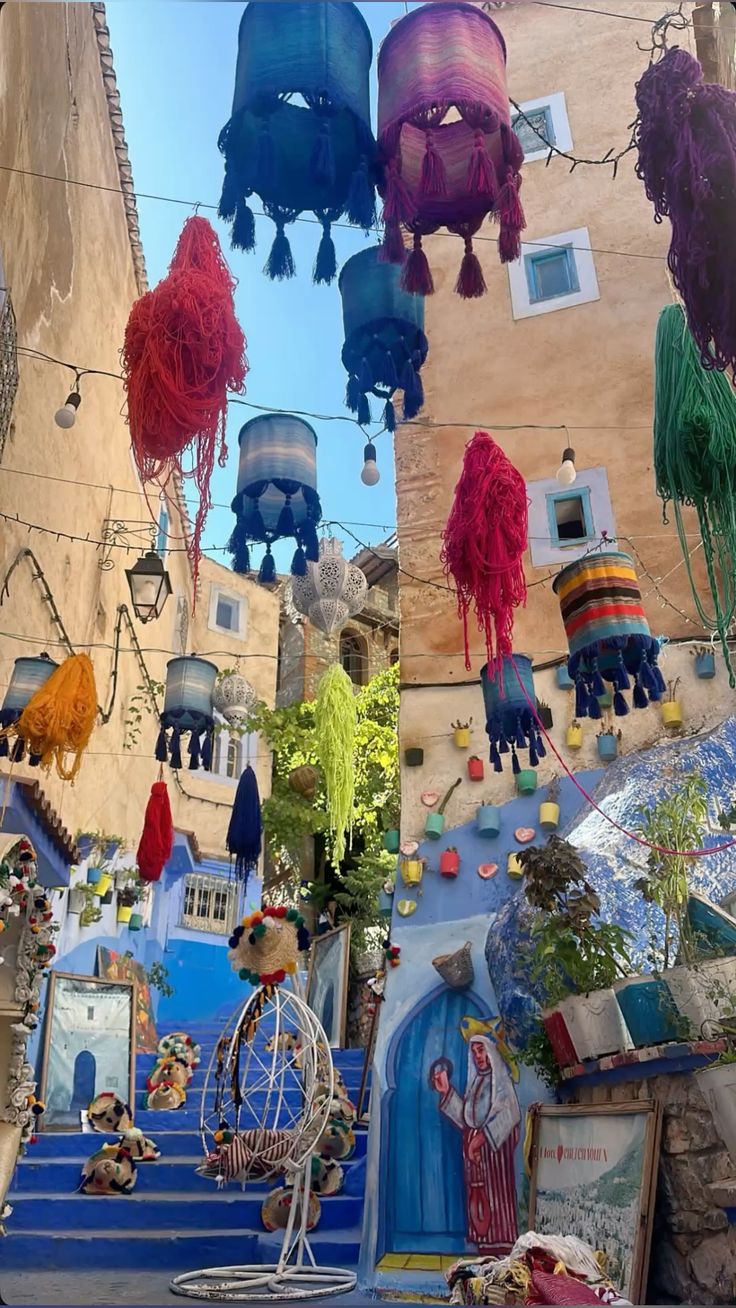
Chefchaouen sits in a valley surrounded by the peaks of the Rif Mountains
Chefchaouen offers accommodation for every budget, from simple hostels to beautifully restored riads. Most visitors choose to stay inside or just outside the medina for the best experience. Here is a breakdown by budget level.
| Category | Price Range | What to Expect |
|---|---|---|
| Budget | €10 – €25/night | Hostels, basic guesthouses. Dorm beds from €10, private rooms from €18. Clean, social atmosphere, often with rooftop terraces. |
| Mid-Range | €30 – €60/night | Traditional riads and dars with breakfast included. Decorated rooms, courtyard gardens, some with medina or mountain views. Best value category. |
| Luxury | €80 – €150/night | Boutique riads and upscale guesthouses. Premium furnishings, private terraces, hammam access, panoramic views, full board options. |
Book a riad with a rooftop terrace facing the mountains. Watching the sunset over the Rif peaks with a glass of mint tea is one of the highlights of staying in Chefchaouen. Breakfast is almost always included, even at budget guesthouses.
Best Time to Visit Chefchaouen
Chefchaouen's mountain location at about 600 meters above sea level gives it a climate that differs from the rest of Morocco. Seasons matter here, and choosing the right time can significantly improve your experience.
Spring (March to May) is the best time to visit. Temperatures range from 15 to 25 degrees Celsius, the surrounding hillsides are carpeted with wildflowers, and the light is superb for photography. April and May are particularly beautiful, with clear skies and pleasant hiking conditions.
Autumn (September to November) is equally excellent. The summer heat has faded, temperatures are comfortable, and the town is busy but not overwhelmed with visitors. October is a particularly good month, offering warm days, cool evenings, and a golden quality to the light.
Summer (July to August) brings daytime temperatures above 30 degrees Celsius and the largest crowds of the year. The town can feel packed, especially on weekends when Moroccan families visit. If you come in summer, plan your outdoor activities for early morning and late afternoon.
Winter (December to February) is cold by Moroccan standards, with temperatures dropping to 5 to 10 degrees Celsius and occasional rain. However, the town is beautifully quiet, accommodation prices drop significantly, and if you are lucky, you might see snow on the surrounding peaks. Pack warm layers and waterproof shoes.
How Many Days Do You Need in Chefchaouen?
Two to three days is the ideal amount of time for most visitors. Here is a suggested breakdown:
- Day 1: Arrive, settle into your riad, explore the blue medina, visit the Kasbah Museum, lunch at Place Outa el Hammam, afternoon shopping for local crafts, hike to the Spanish Mosque for sunset.
- Day 2: Morning visit to Ras El Ma waterfall and photography walk through the quieter streets, browse the local market, try goat cheese and traditional Rif cuisine, relaxed afternoon in a rooftop cafe.
- Day 3 (recommended): Full-day excursion to Akchour Waterfalls and God's Bridge. This is the highlight of any extended stay and one of the best nature experiences in northern Morocco.
If you are visiting as a day trip from Fes, you will have approximately 4 to 5 hours in town after the drive. This is enough to walk the medina, visit the Kasbah, and have lunch, but you will miss the sunset and the surrounding nature. An overnight stay is strongly recommended to experience the town's magic at different times of day.
Budget Overview
Chefchaouen is one of the most affordable destinations in Morocco. Here is a realistic daily budget breakdown for 2026:
| Expense | Budget | Mid-Range | Comfort |
|---|---|---|---|
| Accommodation | €10-25 | €30-60 | €80-150 |
| Meals (per day) | €8-12 | €15-25 | €30-45 |
| Activities | €5-10 | €15-30 | €30-60 |
| Transport (local) | €2-5 | €5-10 | €10-20 |
| Daily Total | €25-52 | €65-125 | €150-275 |
The biggest variable in your Chefchaouen budget is accommodation and how much you spend on souvenirs. Food and local transport are remarkably inexpensive. A filling tagine with bread and tea costs as little as 40 MAD (about 4 EUR) at local restaurants away from the main square.
🔥 Book Top-Rated Experiences in Chefchaouen
- ✅ Free cancellation up to 24h
- ✅ Best price guarantee
- ✅ Instant confirmation
Ready to Plan Your Chefchaouen Adventure?
Explore top-rated tours and experiences with free cancellation. From guided medina walks to Akchour excursions, find the perfect activity.