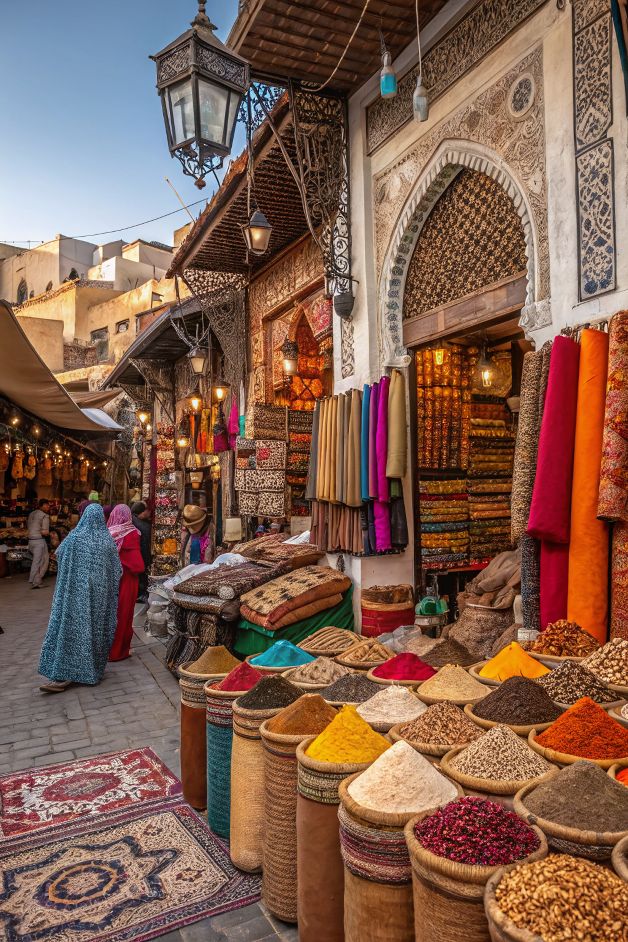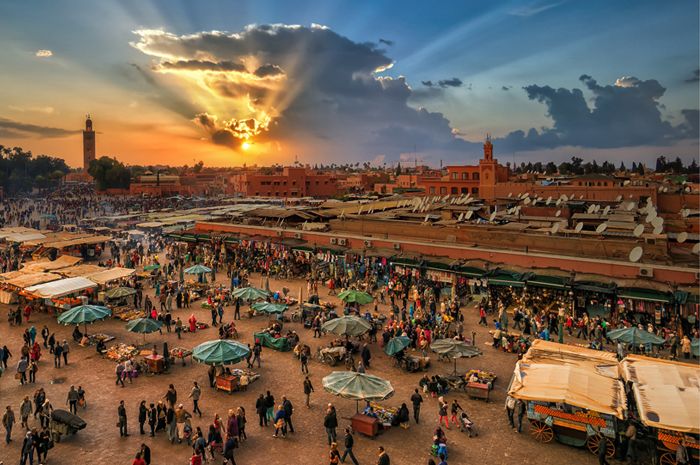
A clear shift is happening in 2026. Saudi, Emirati, Kuwaiti, and Qatari travellers are picking Morocco — Marrakech, Casablanca, Tangier — over their traditional Gulf summer destinations. Hotel occupancy in Marrakech in Q1 2026 was up double-digits compared to 2025; RevPAR (revenue per room) in Marrakech, Agadir, and on the Atlantic coast climbed 20-50%, while Gulf hotels saw the opposite trend. The GCC traveller calendar has rearranged itself, and Morocco has become a centre of gravity. Here is why.
The summer climate problem
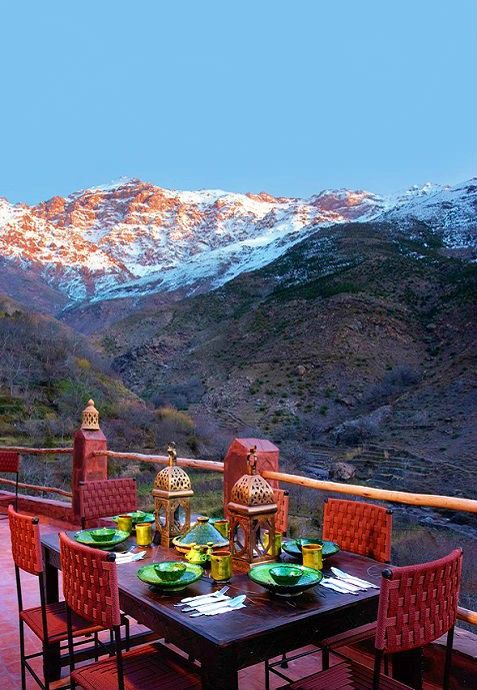
Riyadh, Doha, and Dubai are 45-50°C from May to September. The Atlas Mountains around Imlil are 20-26°C in the same period. Essaouira on the Atlantic is cooler still. For a Gulf family seeking a summer break with children, Morocco offers in July what Dubai cannot offer until November.
The cultural and language fit
Morocco is Arabic-speaking. Most signage is in Arabic and French. Mosques in every neighbourhood. Halal food is the default, not a special menu request. Friday prayer rhythm aligns with Gulf practice. The cultural friction that exists for a Gulf traveller in Bali, Phuket, or Mediterranean Europe simply does not apply here.
The price arbitrage
A luxury riad in Marrakech medina at $300-500/night delivers what a 5-star Dubai hotel offers at $800-1,500. Restaurants are 60-70% cheaper than Dubai. Private drivers $250/day vs Dubai $600/day for similar service. For Gulf families travelling 4-7 people, the savings on a two-week trip can run $8,000-15,000.
Direct flights from the GCC
Royal Air Maroc and Saudia operate daily flights between Casablanca and Riyadh, Jeddah, Dubai, Doha. Tanger Med-Madrid-Casablanca is a fast secondary route. Total flight time Riyadh-Casablanca: 7 hours. Same as Riyadh-London. Direct, no connection.
The GCC traveller circuit
What Gulf families typically do on a 14-day Morocco trip: 4 nights Marrakech (riad + Atlas day trip + souks). 3 nights Sahara via private 4x4 (Erg Chebbi). 3 nights Fez (cultural depth, food). 2 nights Tangier (cool, Mediterranean, half-European feel). 2 nights coastal — Asilah, Saidia, or Casablanca corniche. Total cost for a family of 5 with luxury riads, private driver, premium camps: roughly $12,000-18,000 — versus $30,000+ for the equivalent in the Maldives or Bali.
Spiritual and historical depth
Morocco hosts some of the oldest mosques in the Islamic world. The Qarawiyyîn in Fez (859 AD) is the oldest still-functioning university on Earth, founded by a woman, Fatima al-Fihri. The Hassan II mosque in Casablanca is the largest in Africa. For Gulf travellers seeking history beyond the modernity of Dubai, Morocco delivers in volumes that the Gulf cannot match.
Where to go for what
Marrakech for the social scene, dining, riad luxury. Casablanca for the seafront and modern hotels (Four Seasons Anfa Place, Hyatt Regency). Tangier for the Mediterranean and the Sherezade-style hotels (El Minzah, Mövenpick). Asilah for boutique whitewashed coastal life. Atlas mountains for cool summer escape. Sahara for the family iconic trip.
Skip on a first GCC trip: Chefchaouen (small, less-developed luxury inventory). The far south (Taghazout, Mirleft) is for surfers, not for a luxury Gulf family.
In 2026, Morocco offers what Dubai once offered before it became too hot, too expensive, and too crowded: an Arab-Islamic country with depth, climate, beauty, food, and value. The GCC traveller market has noticed. Fly direct, stay in a riad, and you will understand within 48 hours.
“ In Q1 2026, Marrakech RevPAR rose 30-50%, while Gulf hotels dropped — driven by GCC travellers shifting destination. ”