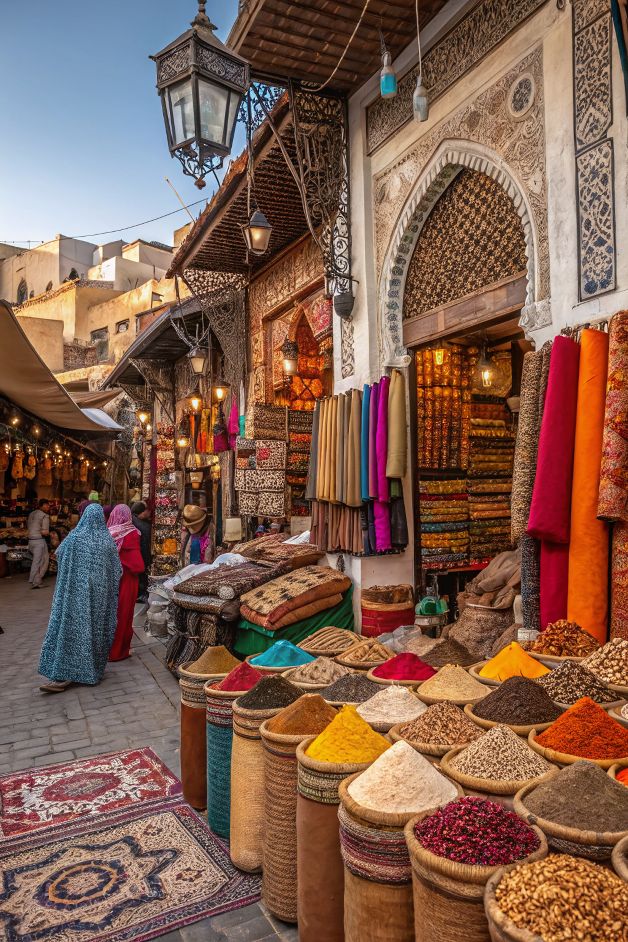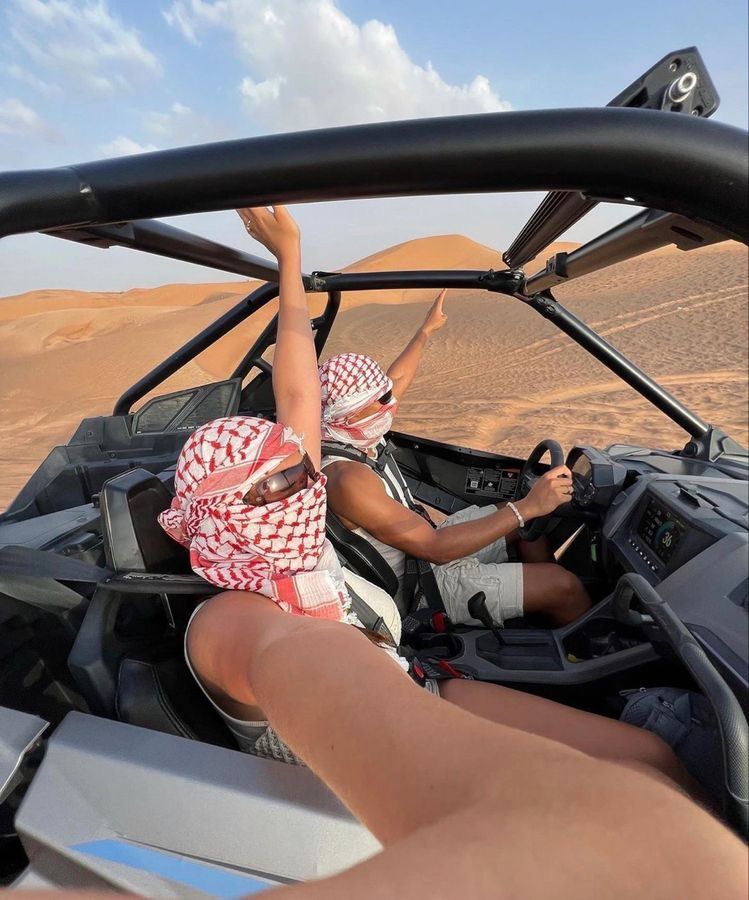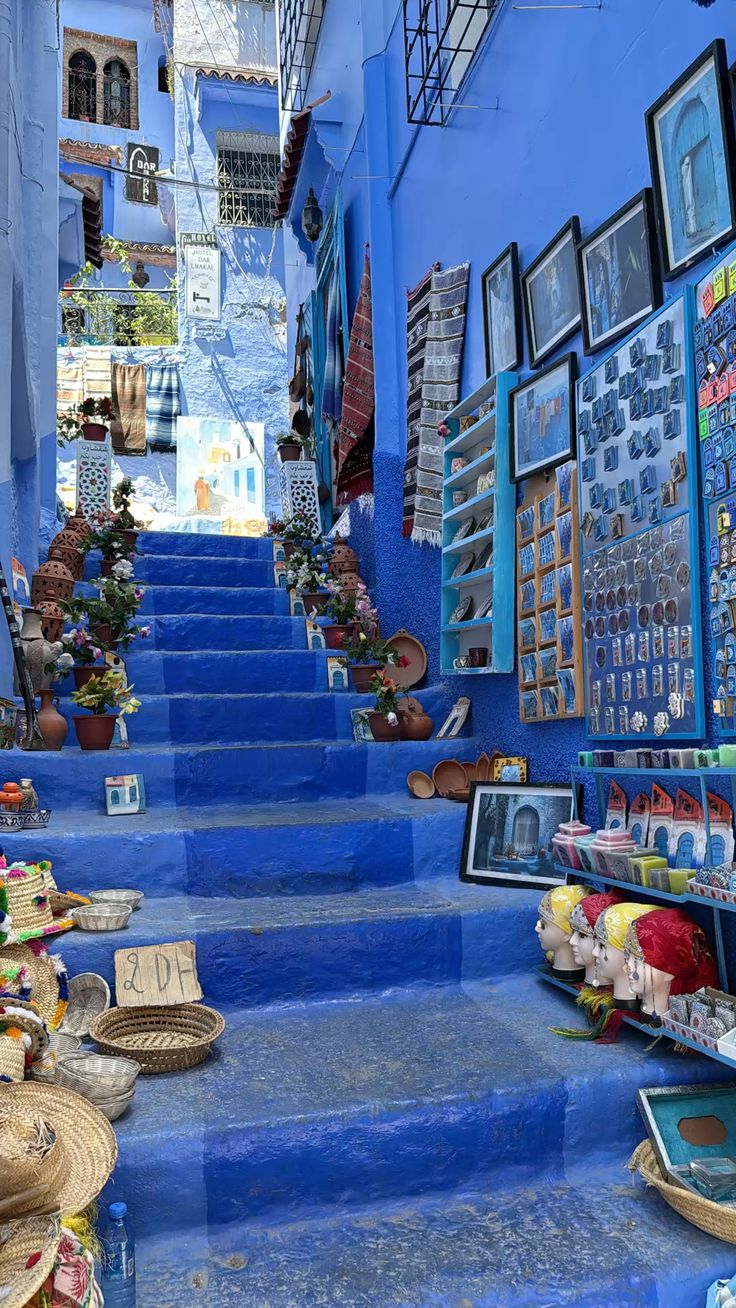
This is the question that arrives in our inbox more than any other. Twenty messages a week. From mothers planning a family trip to London-based women considering a solo break, from Texas couples on their first overseas adventure to retired Australians weighing it against Turkey. The short answer is yes — Morocco is one of the safer countries you can travel to as a foreigner, statistically safer than France, Italy, or Spain on most violent-crime metrics, and significantly safer than the average US city.
But safe is a layered word. Here is the real answer, written by someone who lives here, who has hosted thousands of visitors, and who has watched the small handful of trips that went wrong as well as the overwhelming majority that went beautifully.
Statistically, Morocco is very safe
Morocco's homicide rate is around 1.4 per 100,000 (UN Office on Drugs and Crime, latest data). For comparison: France 1.2, USA 6.4, Brazil 22. Violent crime against tourists is genuinely rare — so rare that incidents make national news when they happen. The country has been politically stable since 1956. There is no active conflict. Tourist police patrol every major medina on foot and on horseback.
In Q1 2026, Morocco welcomed 4.3 million tourists. The serious-incident rate involving tourists, according to Foreign Office advisories from the UK, US, Canada, Australia, and the Gulf states, is functionally zero.
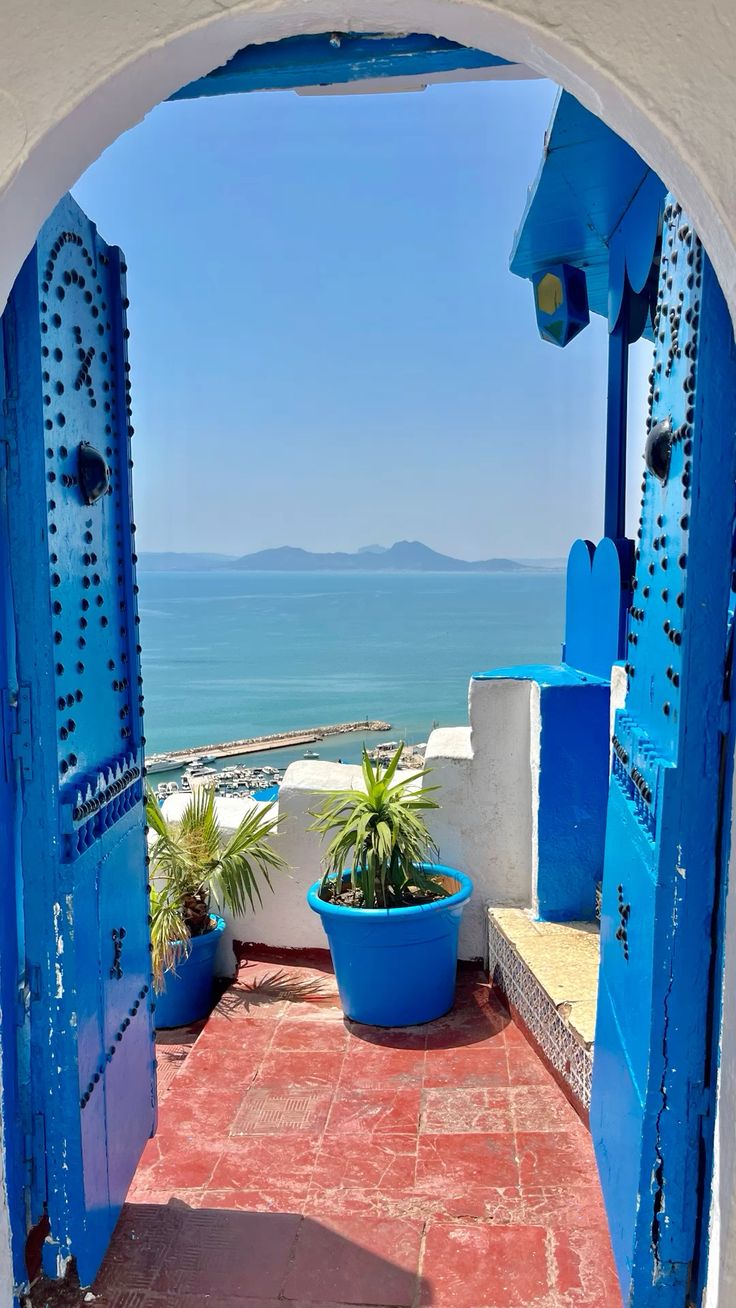
What you actually need to worry about
Forget violent crime. The real friction in Morocco is petty scams in the medinas, traffic, stomach issues, and stray dogs. None of these are dangerous if you are briefed.
Petty scams in the medinas
The big ones: the "let me show you the way" scam (a young man approaches as you look lost in the medina, walks you for 10 minutes, then demands €20-30); the fake tannery guide in Fez who pulls tourists toward leather shops for commissions; the closed-mosque-let's-walk-around redirect leading you to a hard-sold rug shop. These cost time or money but they are not dangerous. A polite "la, shukran" (no, thank you) and walking away resolves 95% of situations.
The 2025 rabies case
A UK traveller died in 2025 after being scratched by a stray dog in Morocco. This is a real and important data point. Stray dogs exist, mostly outside city centres. Do not pet street animals. If bitten or scratched, go to a clinic immediately — the post-exposure rabies treatment is widely available and free for tourists at public hospitals.
Morocco for solo female travellers
The honest version: yes, you can travel Morocco solo as a woman. Tens of thousands do every year. The vast majority describe it as one of the most rewarding experiences of their lives. You will encounter more verbal attention than in most European cities. Men will say hello, ask where you are from, sometimes try to walk with you. This is rarely aggressive — Moroccan men in cities are accustomed to female travellers and most respect a clear no.
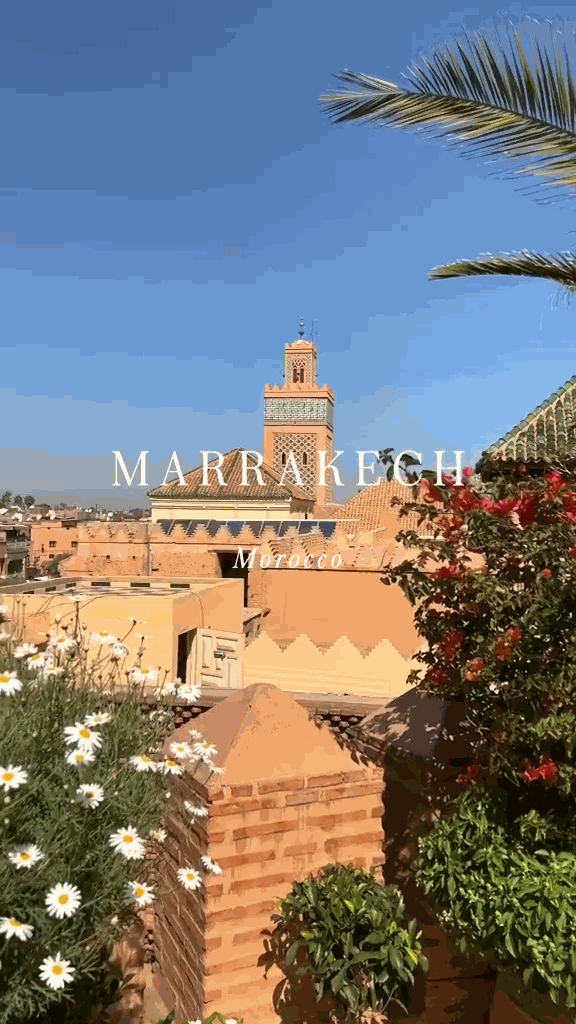
What works: stay in riads, not hotels (family-run, walled, secure). Cover shoulders and knees in medinas — it is not a religious requirement for foreigners but it dramatically reduces unwanted attention. Use Careem or InDriver, not random taxis at night. Choose your itinerary carefully: Chefchaouen, Essaouira, Rabat and Imlil are exceptionally relaxed for solo women. Marrakech medina at night is fine but not at 1am alone. Morocco is significantly easier for solo women than India, Egypt, or Turkey, and on par with or safer than Sicily.
Morocco for families
Excellent. Children are universally adored — strangers will smile, wave, sometimes offer biscuits. Riads can fold beds in. Berber tour guides are wonderful with kids on Sahara trips. The only real cautions: heat in July-August, food carefully chosen for younger stomachs, and watching for traffic.
What to ignore
Travel forums that say "I was scammed once and never going back." Every country has scams. Mexico, Italy, France — all have worse. Generalised "Muslim country = unsafe" tropes. Morocco is a moderate Sunni monarchy with extraordinary religious tolerance. The Jewish community has lived here for 2000 years. There is no theocracy. Alcohol is legal. Women are in cabinet positions. News stories from neighbouring countries: Algeria's situation is not Morocco's. The Sahel conflicts are 2000km from where you will travel.
Morocco rewards the prepared traveller. It punishes the panicked one less than most countries — but a calm, briefed, respectful visitor will not just be safe in Morocco, they will be welcomed in a way that very few destinations still offer.
“ Morocco is statistically safer than France, Italy, or Spain on most violent-crime metrics — and significantly safer than the average US city. ”