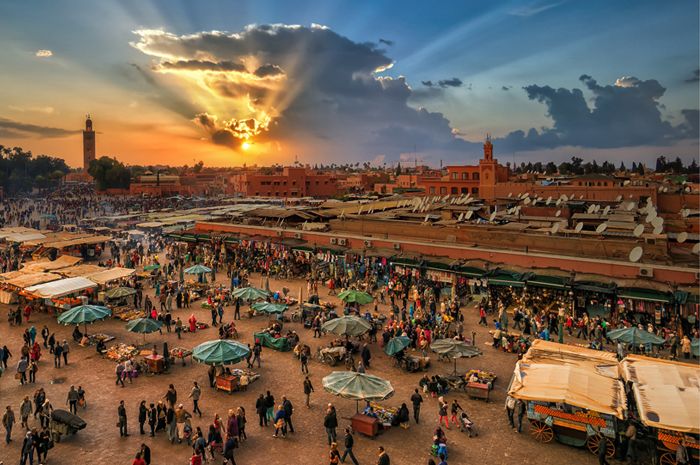
There is no single best time to visit Morocco — there are several, and the right one depends entirely on the trip you want. A March traveller chasing wildflowers in the Atlas does not want the same conditions as a November visitor planning a Sahara overnight, or a January reader looking for empty medinas at half the price.
If you have ten minutes and want a single recommendation: mid-March to mid-May, or late September to early November. These are the sweet-spot windows when the imperial cities are warm but not punishing, the Sahara is glorious, the Atlas is open, and the coast is comfortable. Riads are bookable, prices are sensible, and the light is the kind that makes your photos look like postcards without filters.
The four Moroccos you must plan for
Morocco has four distinct climates layered on one country, and that is why a single recommendation never fits everyone. The Imperial Cities (Marrakech, Fez, Meknes, Rabat) have hot summers and mild winters. The Sahara is extreme in summer, pleasant in winter, but freezing at night year-round. The Atlas Mountains are under snow in winter and alpine in summer with narrow trekking windows. The Atlantic Coast (Essaouira, Casablanca, Tangier) is windy and cool year-round, never extreme.
January — Empty medinas, half-price riads
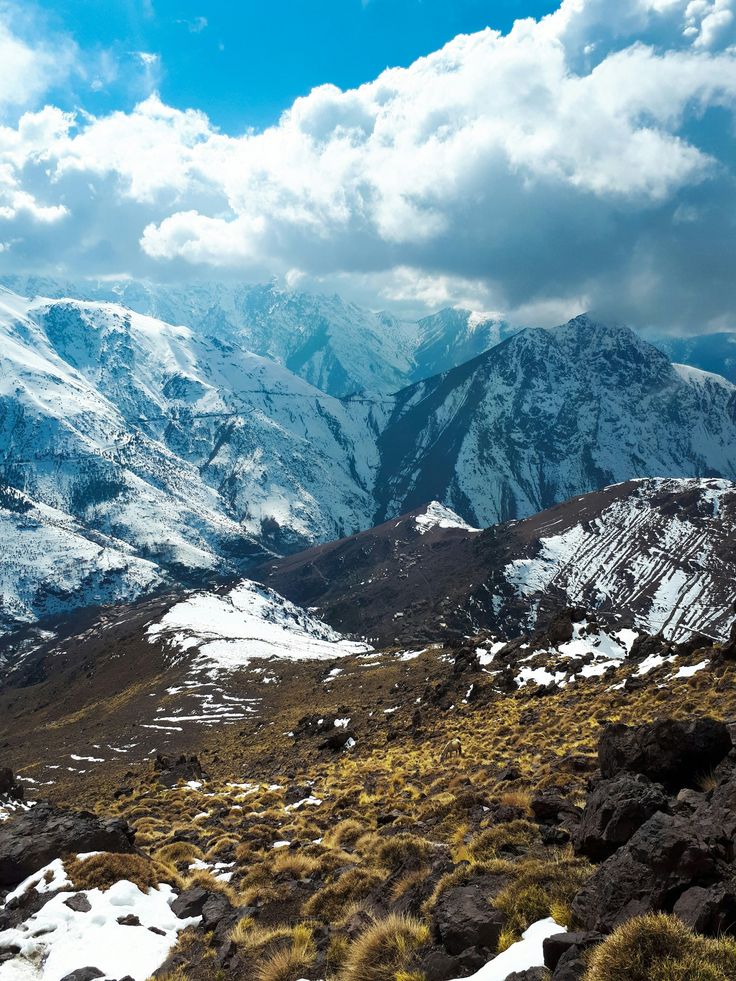
January is Morocco's secret month. The medinas of Marrakech and Fez are emptier than at any other time. Riads that cost €250 a night in October drop to €120-€140. The light is low and golden — photographers love it. Nights are cold (4-9°C in Marrakech, near freezing in Fez), and rain is possible in the north. The Atlas is under snow. The Sahara is daytime-warm but freezing at night. Best for: budget travellers, photographers, ski + desert combo.
March — The first sweet-spot month
Temperatures climb into 18-25°C in the imperial cities. Days are long, evenings are jacket-light. Marrakech medina is alive again, the gardens (Majorelle, Jardin Secret) are at their peak. The Sahara is at its most comfortable. Caveat for 2026: Ramadan ends mid-March, and some restaurants close during daytime. Best for: first-time visitors, Sahara trips, gardens.
April — The peak shoulder season
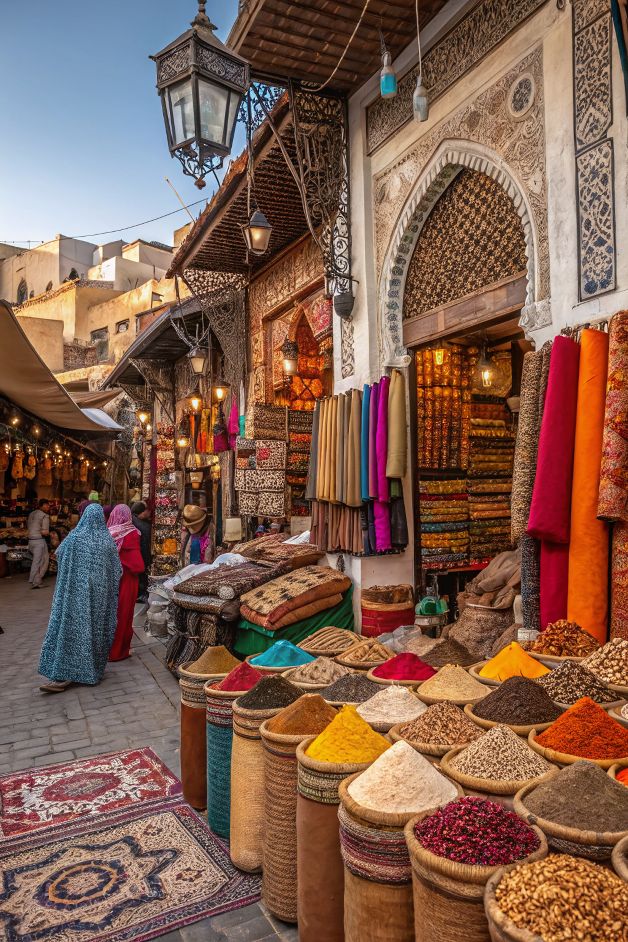
The most-recommended month, and rightly so. Wildflowers cover the Atlas foothills, Marrakech is at perfect 22-26°C, the Sahara is still pleasant. Easter brings European travellers in volume — book riads two months ahead. Best for everything except budget. This is the gold standard.
June through August — Heat arrives, coast is paradise
Marrakech regularly hits 35-38°C. The Sahara is brutal. Most savvy travellers shift to the coast: Essaouira's alizé wind makes it 15°C cooler than inland. Or they go up — the Atlas Mountains around 1500m altitude (Imlil, Asni) are gorgeous. Festivals: Gnaoua music in late June, Asilah arts through August.
October — The second sweet-spot peak
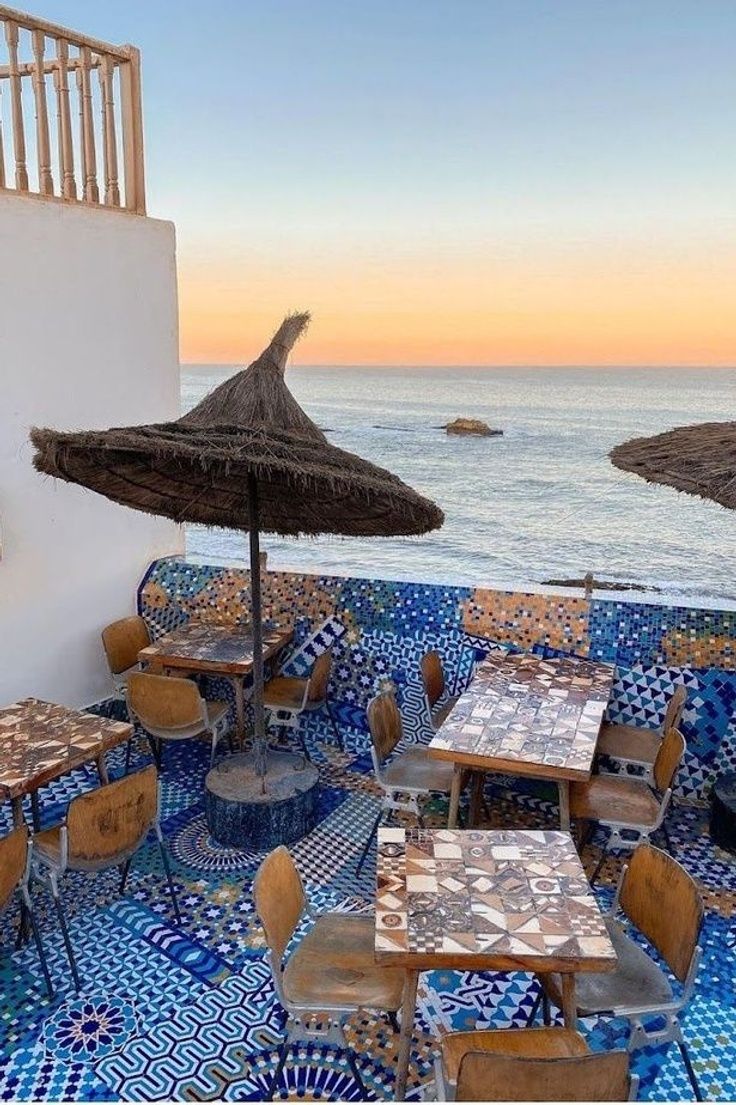
The mirror image of April: 22-27°C in Marrakech, perfect Sahara temperatures, autumn light. The Imilchil moussem (Berber wedding festival) takes place in mid-October in the High Atlas — an extraordinary cultural experience. Riad prices have not yet hit December peaks. This is when most repeat visitors come back.
November — The crisp-light season
Cool mornings (10-15°C), warm afternoons (22-25°C), the cleanest light of the year. Sahara nights get cold but daytime is gorgeous. Crowds thin after the first week. Best for: photographers, slow travellers, Sahara purists.
A practical 2026 calendar
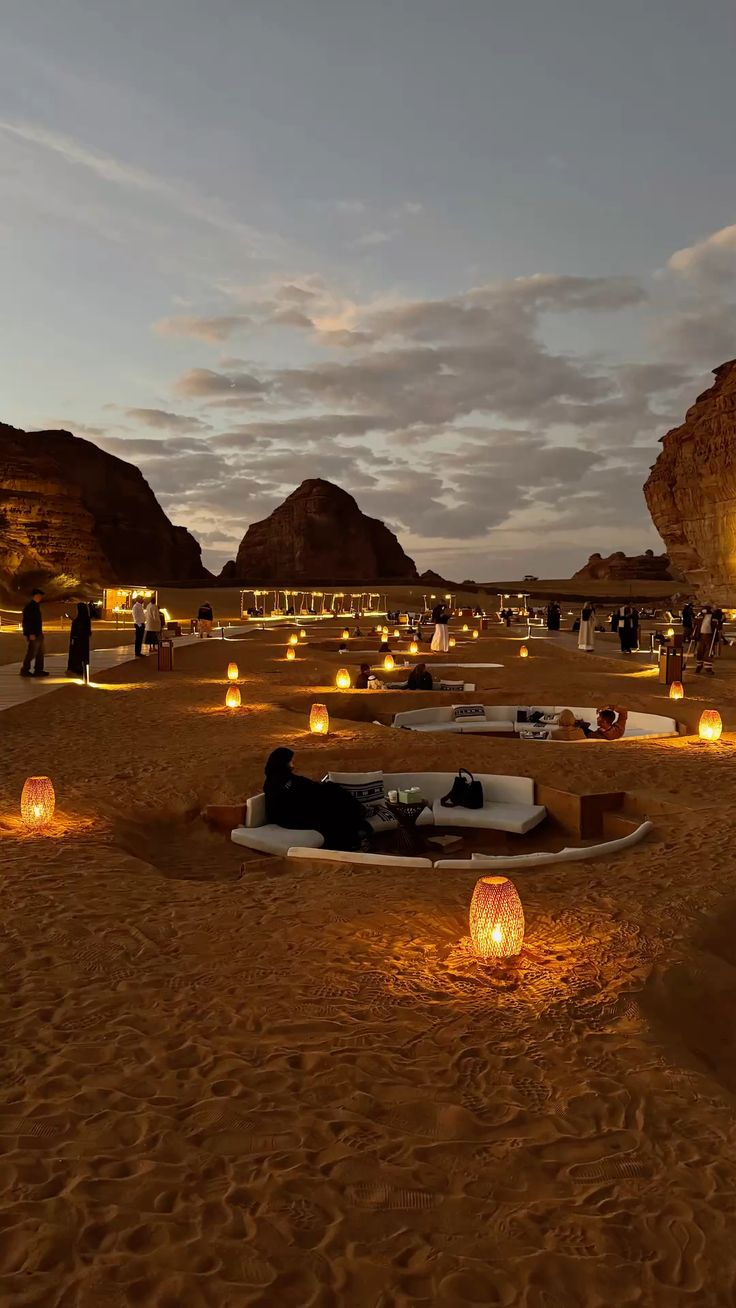
If you want lowest prices and empty medinas, go in January, late November or early December. For best weather all-round, go in April or October. For Sahara overnight without compromise, mid-October to mid-November or April. For coast and surf, June through September. For skiing in Africa, late December to mid-February. To avoid the Ramadan rhythm, travel after mid-March 2026.
The best time to visit Morocco is the time you can come. Locals, riads, and seasoned guides shape themselves around the visitor calendar — there is no genuinely wrong month. But knowing what to expect lets you choose the kind of Morocco you want: the Marrakech of empty medina alleys at 7am in January, or the Atlantic dunes of Asilah in August, or the snow on Toubkal in February, or the gold of Erg Chebbi at sunset in November. Whichever month you pick — bring layers, learn three Arabic words, and leave at least one day of your itinerary unplanned. That is where Morocco actually happens.
“ The best time to visit Morocco is the time you can come. Locals shape themselves around the visitor calendar — there is no genuinely wrong month. ”