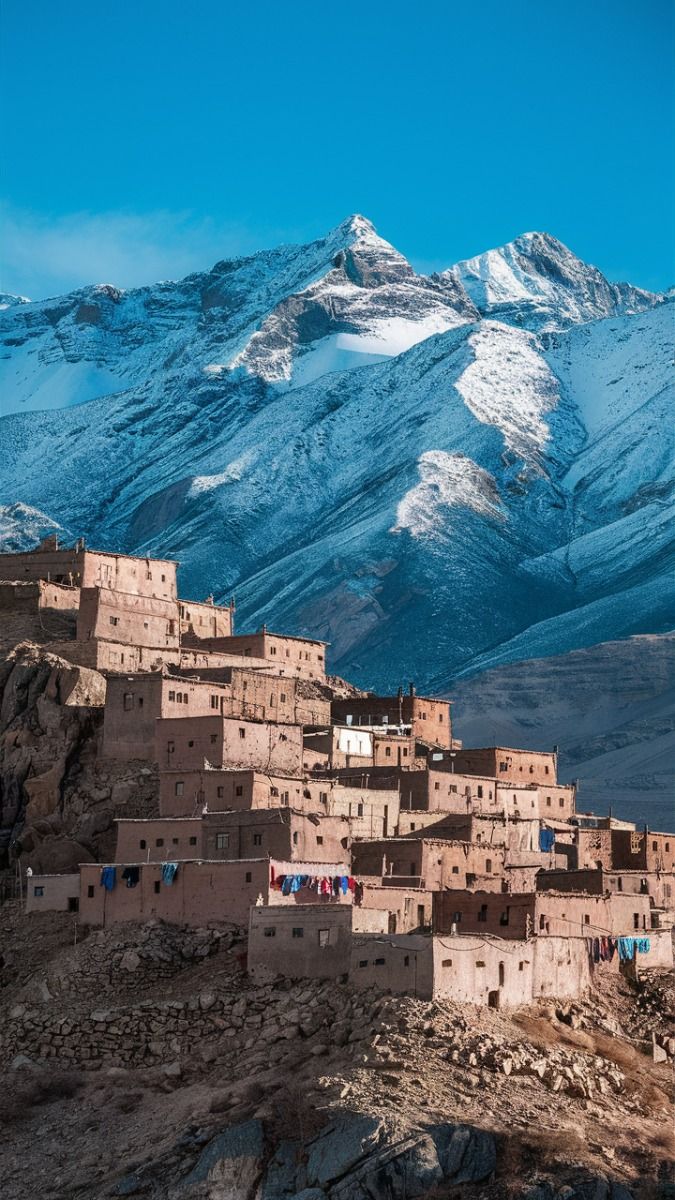
The High Atlas is North Africa's spine — 700km of peaks that reach 4,167m at Toubkal, Morocco's highest summit. For trekkers from the UK, USA, or Australia, the Atlas offers something rare: an alpine experience accessible from a major city (Marrakech is 1h30 from the trailhead), at a fraction of European prices, with Berber culture that turns every village stop into an encounter.
Toubkal: the headline climb
Mount Toubkal (Jbel Toubkal) is the highest peak in North Africa at 4,167m. It is non-technical — no climbing skills required, just fitness and acclimatisation. The standard route from Imlil takes 2 days: day 1 climbs to the Toubkal Refuge (3,207m), day 2 summits at sunrise and descends. Total walking time: 14-16 hours over 2 days.
Cost: 2-day guided ascent including refuge, food, mule for bags, and certified mountain guide runs €180-280 per person. Luxury operators (Mountain Voyage, Atlas Trekking) push to €400-500 with better food and smaller groups.
Best seasons for Toubkal
May-October is the standard trekking window. Snow remains on the summit until June even in mild years. December-March is winter mountaineering — crampons, ice axe, and alpine experience required.
Best months: late May (still some snow patches at the top, very photogenic), September (perfect weather, no afternoon storms), early October (golden Atlas light).
Lesser-known alternatives to Toubkal
If you want Atlas without the crowds: M'Goun (4,068m, 2nd highest, almost no other trekkers). The Mgoun massif requires 4-5 days and a more remote approach.
Ait Bouguemez Valley (the Happy Valley): 1,800m altitude, traditional Berber villages, no Toubkal-summit ambition — just immersive walking, gîte stays, donkey treks. 4-5 days.
Ourika Valley + Setti Fatma: easy day-trip from Marrakech, waterfalls, low-altitude. Good for a half-day Atlas taste before committing to a full trek.
Where to stay in Imlil
Imlil is the trailhead village (1,740m altitude). Kasbah du Toubkal (€220-450/night, the best in the area, also a working trekking base). Dar Imlil (€80-140 mid-range). Gîtes (Berber guesthouses) offer half-board for €30-50 per person. Riad Atlas Toubkal is the new mid-luxury entry.
For luxury without the trek: Kasbah Tamadot in Asni (Richard Branson's, €500-2,000/night, 30 minutes below Imlil) is one of the most beautiful properties in Morocco — view of Toubkal, hammam, all-day dining.
The Berber village experience
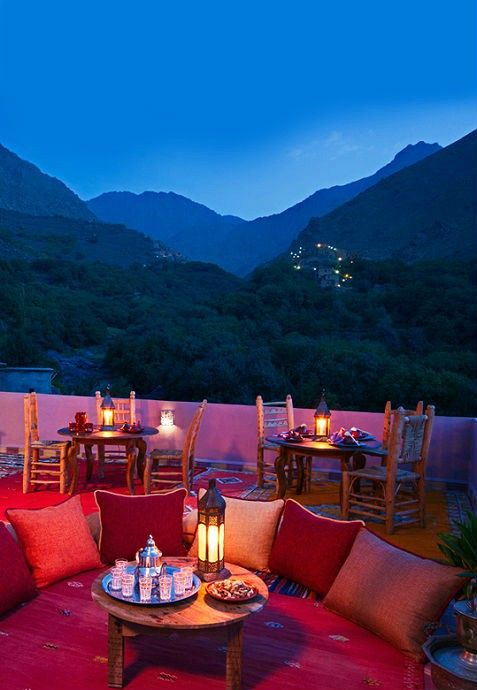
More important than Toubkal itself, for many trekkers, is what happens between summits. Stays in Berber villages — Aroumd, Aremd, Tinerhourine — involve mint tea on a rooftop, dinner cooked by the family, an early start by donkey. The pace is slow, the conversation is universally welcoming, and the Berber language (Tachelhit) is older than most European languages.
Combining Atlas with the rest of Morocco
Atlas as a 2-3 day add-on inside a longer Morocco trip: typical structure is Marrakech 2 days, Atlas 2 days (single-night Imlil + summit), then continue to Sahara, Fez, etc.
Atlas as a dedicated 5-7 day trip: focus on a longer trek (M'Goun, Ait Bouguemez), connect by minibus from Marrakech, return for one luxury day in Marrakech before flying home.
Practical tips
Hire a local Mountain Guide certified by the Mohammed VI Trekking School. They are the best in North Africa, multilingual, and a strong support during summit night.
Acclimatisation: spend at least one full day at 2,000m+ before attempting Toubkal summit. Imlil itself works. Add an extra trek day if you have time.
Mules carry bags up to the refuge. You walk light. This is part of why Atlas trekking is accessible to less-fit travellers.
The Atlas is Morocco at its quietest. After Marrakech medina, after Sahara dunes, after Fez intensity — coming up here is decompression. Many travellers tell us the Atlas was the chapter they did not expect to be the favourite. Until it was.
“ Toubkal at 4,167m is the highest peak in North Africa. You can summit it in 2 days as a fit beginner. ”