Morocco remains one of the best-value travel destinations within easy reach of Europe. From the sun-soaked souks of Marrakech to the endless dunes of the Sahara, the country delivers extraordinary experiences without draining your savings. But how much does Morocco actually cost in 2026? The answer depends entirely on your travel style, and this guide breaks down every expense category so you can plan your trip with confidence.
Whether you are a backpacker stretching every euro, a couple seeking comfortable riads and authentic cuisine, or a luxury traveler chasing five-star desert camps, this Morocco budget breakdown gives you accurate, up-to-date prices based on real traveler data and local knowledge. Pair this guide with our 7-day Morocco itinerary for a complete trip plan with day-by-day costs.
Budget traveler: €30–50/day · Mid-range: €60–100/day · Luxury: €150–300/day. A comfortable 7-day trip for two mid-range travelers costs roughly €900–1,400 total including activities, food, and accommodation (flights excluded).
Average Daily Budget by Travel Style
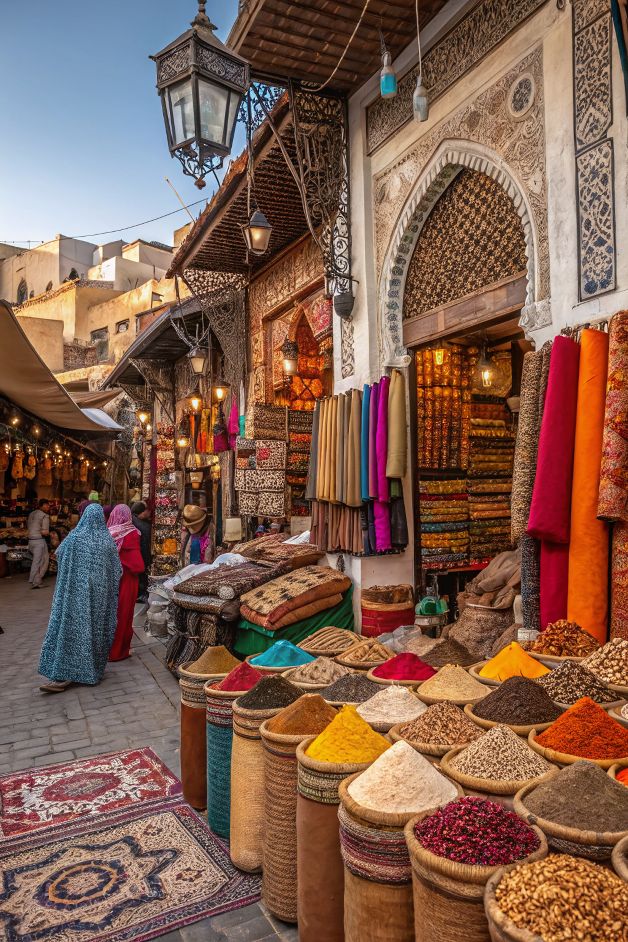
Marrakech's souks — where your budget stretches further than you expect
Morocco caters to every budget level. The table below shows what you can realistically expect to spend per person per day in 2026, broken down by travel style. These figures are based on current prices across major tourist cities including Marrakech, Fes, Chefchaouen, and Essaouira.
| Category | Budget (€30–50/day) | Mid-Range (€60–100/day) | Luxury (€150–300/day) |
|---|---|---|---|
| Accommodation | €5–15 | €30–80 | €150–500 |
| Food | €8–15 | €15–30 | €40–80 |
| Transport | €3–8 | €8–20 | €20–60 |
| Activities | €5–10 | €10–30 | €30–100 |
| Miscellaneous | €3–5 | €5–10 | €10–30 |
| Daily Total | €30–50 | €60–100 | €150–300 |
Budget travelers stay in hostels or basic guesthouses, eat street food and local eateries, use public buses and shared taxis, and visit free attractions like medinas and markets. Mid-range travelers enjoy private rooms in traditional riads, dine at sit-down restaurants, use a mix of trains and private taxis, and book guided tours. Luxury travelers stay in boutique riads and five-star hotels, enjoy fine dining, hire private drivers, and book premium experiences like private desert camps.
Accommodation Costs in Morocco
Accommodation is where your budget will vary the most. Morocco offers everything from dirt-cheap hostel dorms to stunning palatial riads that rival any luxury hotel in the world. Here is what each tier looks like in 2026.
Budget Accommodation (€5–15/night)
- Hostel dorm beds: €5–10 per night in Marrakech, Fes, and Essaouira. Quality varies widely, so check recent reviews before booking.
- Basic guesthouses: €10–15 for a private room with shared bathroom. Common in smaller towns and the countryside.
- Couchsurfing: Free, and Morocco has an active community, especially in Marrakech, Rabat, and Casablanca.
Mid-Range Accommodation (€30–80/night)
- Traditional riads: €30–60 for a beautiful double room in a restored courtyard house. This is the quintessential Moroccan lodging experience and our top recommendation. Our Marrakech accommodation guide compares the five best neighborhoods for riads.
- Boutique hotels: €50–80 for a well-appointed room with breakfast often included.
- Airbnb apartments: €25–50 for a private apartment, ideal for longer stays or families.
Luxury Accommodation (€150–500+/night)
- Five-star riads: €150–300 per night with rooftop terraces, plunge pools, and personalized service.
- Luxury desert camps: €200–500 per night in the Sahara, featuring private tents with en-suite bathrooms and gourmet dining under the stars.
- Palace hotels: €300–500+ at properties like La Mamounia or Royal Mansour in Marrakech.
Riad prices drop significantly outside peak season (July-August and Christmas-New Year). Booking directly with smaller riads often gets you 10–20% off compared to platform prices. Always check if breakfast is included as it saves you €3–8 per day.
Food & Dining Costs
Moroccan cuisine is legendary, and the good news is that eating well in Morocco costs remarkably little. From steaming tagines in hole-in-the-wall restaurants to fresh-squeezed orange juice for pennies, your taste buds and your wallet will both be happy.
Street Food & Markets (€1–3 per item)
- Freshly squeezed orange juice: €0.40–0.50 (4–5 MAD). Available on every corner in Marrakech and Fes.
- Msemen (Moroccan crepe): €0.20–0.50 each. A filling breakfast staple.
- Snail soup (babouche): €0.50–1 per bowl. A beloved Moroccan street snack.
- Sandwich/bocadillo: €1–2 with grilled meat, vegetables, and sauces.
- Tajine at a local eatery: €2–4 at restaurants frequented by locals, not tourists.
Mid-Range Restaurants (€5–15 per meal)
- Sit-down lunch with tajine and drink: €5–8 at a tourist-friendly restaurant.
- Dinner at a well-rated restaurant: €8–15 for a full meal with appetizer, main course, and mint tea.
- Rooftop dining in the medina: €10–15 with views and atmosphere included.
Fine Dining (€30–60 per meal)
- Upscale riad restaurants: €30–45 for multi-course Moroccan feasts with wine.
- Hotel restaurant fine dining: €40–60 at Marrakech's top tables.
- Cooking class with meal: €25–35 for a hands-on experience plus lunch. A better value than many restaurant meals because you learn a skill and eat what you cook.
Restaurants on Jemaa el-Fna square in Marrakech charge 2–3x more than eateries just one street away. Walk 5 minutes into the side alleys of the medina for the same food at local prices. Always check the menu for prices before sitting down, and avoid restaurants where touts aggressively pull you in.
Transport Costs
Getting around Morocco is affordable and relatively easy, though comfort levels vary by transport type. Here is a breakdown of your main options and their costs in 2026.
Trains
Morocco's rail network (ONCF) connects major cities and is the most comfortable way to travel long distances. The high-speed Al Boraq line between Casablanca and Tangier is excellent. Sample fares in second class:
- Marrakech to Fes: ~€20 (7 hours)
- Casablanca to Marrakech: ~€10 (3 hours)
- Casablanca to Tangier (Al Boraq): ~€15–25 (2 hours)
- Rabat to Fes: ~€12 (2.5 hours)
Buses
CTM and Supratours operate comfortable, air-conditioned coaches between most cities. They cost 20–40% less than trains and reach destinations without rail connections.
- Marrakech to Essaouira: ~€7 (3 hours)
- Fes to Chefchaouen: ~€6 (4 hours)
- Marrakech to Ouarzazate: ~€8 (4.5 hours)
Taxis
- Petit taxi (within cities): €1–3 per ride. Insist on the meter or agree on a price before getting in.
- Grand taxi (between cities): €3–10 per person for shared seats. Faster than buses but you wait until the car fills up (6 passengers).
Car Rental
Renting a car gives you maximum flexibility, especially for the Atlas Mountains and southern Morocco where public transport is limited. Our Morocco road trip guide covers rental tips, routes, and fuel costs in detail. Expect to pay €20–40 per day for a basic sedan or small SUV. Add €5–10/day for full insurance. Fuel costs approximately €1.30 per liter. International driving permits are recommended but not always required.
Book CTM and Supratours buses online in advance during peak season as popular routes sell out. For trains, first class costs only €3–5 more than second class and is worth the upgrade on longer journeys. Airport transfers in Marrakech and Fes cost €5–10 by taxi.
Activities & Tours Costs
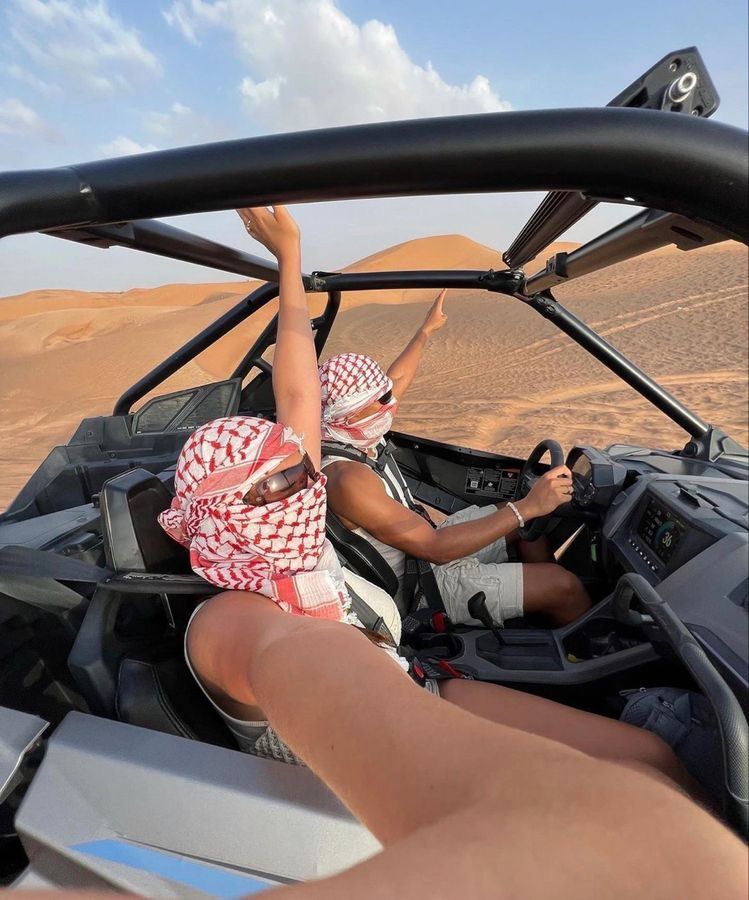
A Sahara desert tour — one of Morocco's best-value experiences from just 85 EUR
Morocco's biggest draws include guided tours of ancient medinas, multi-day desert expeditions, cooking classes, and mountain treks. Prices are very reasonable compared to European equivalents, and most tours include hotel pickup. Here are the top experiences with current prices.
Guided City Tours
A professional guide transforms your medina experience from chaotic to captivating. They know every hidden corner, bargain on your behalf, and keep you from getting lost in the labyrinth.
- Marrakech Medina guided tour: from €15 per person (3 hours, includes monuments)
🔥 Marrakech Medina Guided Tour
- ✅ Licensed local guide · 3 hours
- ✅ Souks, Bahia Palace, Saadian Tombs
- ✅ Free cancellation up to 24h
Desert Tours
A Sahara desert excursion is the single most popular activity in Morocco. The classic 3-day tour from Marrakech to Merzouga includes transport, meals, camel trekking, and an overnight desert camp under the stars.
- 3-day Sahara desert tour (Merzouga): from €85 per person, all-inclusive
🔥 3-Day Sahara Desert Tour from Marrakech
- ✅ Merzouga dunes, camel trek, desert camp
- ✅ All meals and transport included
- ✅ 4.9/5 rating from 3,100+ reviews
Cooking Classes
Moroccan cooking classes take you to a local market to buy fresh ingredients, then teach you how to prepare authentic dishes like tagine, couscous, and pastilla. You eat everything you make.
- Marrakech cooking class: from €25 per person (4 hours, includes market visit and meal)
🔥 Moroccan Cooking Class in Marrakech
- ✅ Market visit + hands-on cooking
- ✅ Lunch included · 4 hours
- ✅ Free cancellation up to 24h
Day Trips & Mountain Tours
The Atlas Mountains are just an hour from Marrakech and offer a refreshing contrast to the heat and bustle of the city. Day trips include Berber village visits, scenic hikes, and traditional lunches.
- Atlas Mountains 3 Valleys day trip: from €22 per person (full day with lunch)
- Ouzoud Waterfalls: from €20 per person (full day)
- Essaouira day trip: from €20 per person (full day, coastal town)
🔥 Atlas Mountains Day Trip from Marrakech
- ✅ 3 Valleys, Berber villages, waterfall
- ✅ Traditional lunch included
- ✅ Hotel pickup and drop-off
Other Activities
- Hammam (traditional bath): €5–10 at a local hammam, €20–50 at a tourist-oriented spa
- Hot air balloon over Marrakech: €65–90 per person
- Quad biking in the Palmeraie: €25–40 per person
- Surfing lessons in Essaouira: €20–35 per session
- Museum entries: €2–8 (Bahia Palace €7, Majorelle Garden €14)
Shopping & Souvenirs Budget
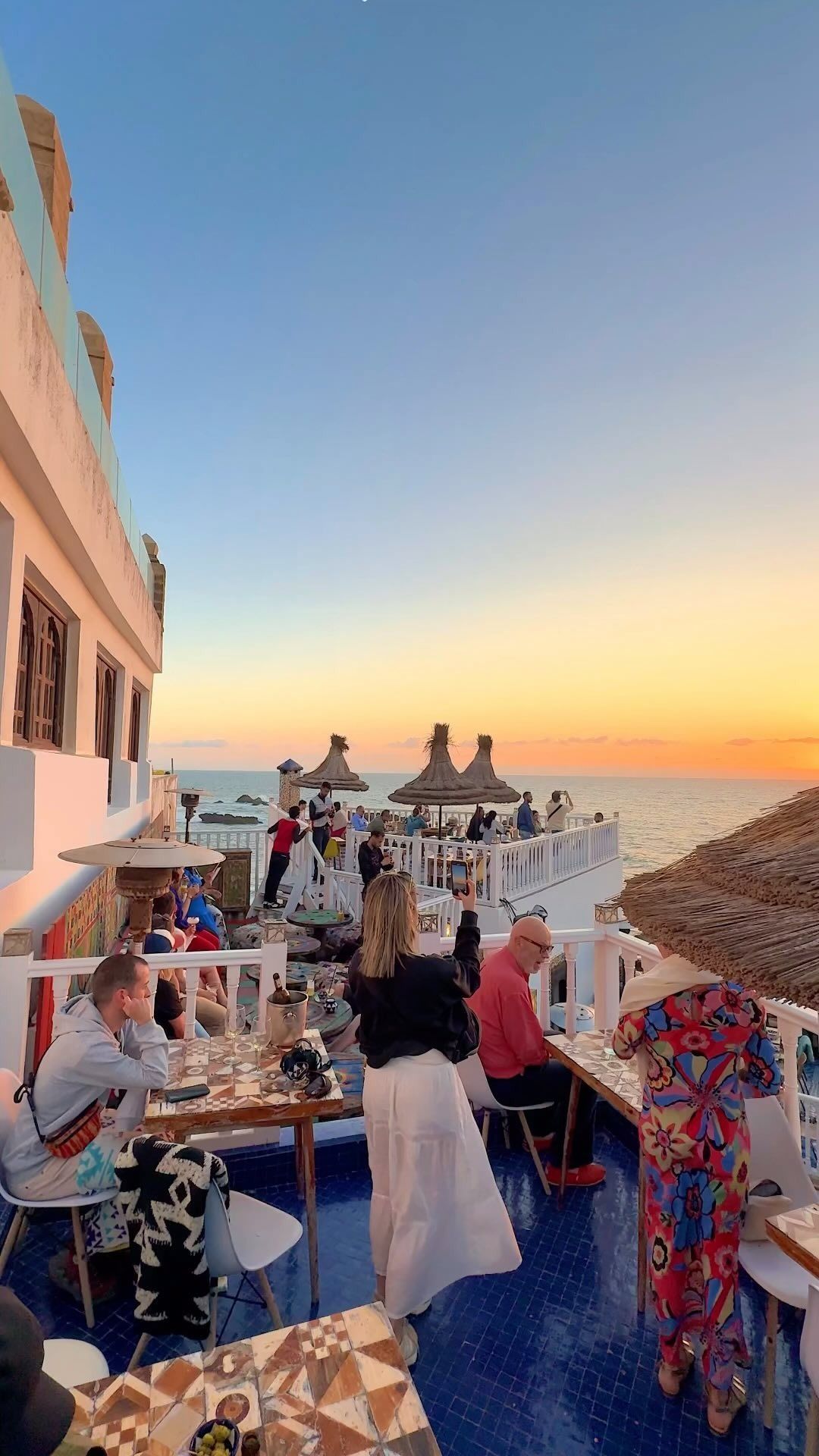
Essaouira — fresh seafood meals from just 3 EUR at the harbor grills
Shopping in Morocco's souks is an experience in itself, and it is easy to overspend if you do not set a budget beforehand. Prices are almost always negotiable in markets. Start by offering 30–40% of the asking price and work toward a middle ground.
- Leather goods (bag, belt): €10–40 after bargaining
- Moroccan rug (small): €30–100 depending on size, material, and bargaining skill
- Argan oil (cosmetic grade, 100ml): €5–10
- Spices (cumin, saffron, ras el hanout): €1–5 per bag
- Ceramic tagine pot: €5–15
- Babouche (leather slippers): €5–15
- Handmade lantern: €10–30
Never pay the first price offered in the souks. If a seller quotes €50 for a leather bag, the real price is likely €15–25. Walk away if the price does not feel right. The seller will often call you back with a lower offer. Avoid buying saffron from unverified sources as counterfeit saffron (safflower) is extremely common.
SIM Card & Internet Costs
Staying connected in Morocco is easy and cheap. All three major operators (Maroc Telecom, Inwi, and Orange) sell tourist SIM cards at airports and shops throughout the country.
- Prepaid SIM card with 10–20GB data: €3–8 (valid for 30 days)
- Top-up data packs: €1–3 for additional 5–10GB
- eSIM (Airalo, Holafly): €8–15 for 5–10GB, no physical SIM needed
- WiFi: Available for free at most riads, cafes, and restaurants. Quality varies from good in cities to slow in rural areas.
Buy a Maroc Telecom SIM at the airport upon arrival. For €5, you get a SIM with 20GB of data that works everywhere including the Sahara desert. Bring your passport as it is required for SIM registration. If your phone supports eSIM, an Airalo plan is a convenient alternative you can set up before landing.
Tipping Culture in Morocco
Tipping (called pourboire) is an important part of Moroccan culture and a meaningful supplement to local wages. While never mandatory, tipping is expected in most service situations. Budget approximately €3–8 per day for tips.
| Situation | Recommended Tip |
|---|---|
| Restaurant (without service charge) | 10–15% of the bill |
| Cafe / mint tea | Round up to nearest 5 MAD |
| Tour guide (full day) | 50–100 MAD (€5–10) |
| Tour guide (half day) | 30–50 MAD (€3–5) |
| Hotel porter | 10–20 MAD per bag |
| Taxi driver | Round up fare (not expected) |
| Hammam attendant | 20–50 MAD |
| Riad housekeeper | 20–50 MAD per stay |
Keep small bills and coins handy at all times. The easiest way is to break larger notes when buying something at a shop. Most ATM withdrawals give you 200 MAD notes, so ask your riad reception to help with change.
Sample 7-Day Budgets
Here are three realistic 7-day budgets covering the same core itinerary (Marrakech, Fes, and a desert excursion) at different spending levels. All amounts are per person and exclude international flights.
Budget Traveler: €245–350 for 7 Days
| Expense | 7-Day Cost |
|---|---|
| Hostel dorms (7 nights) | €50–70 |
| Street food & local eateries | €55–85 |
| Buses & shared taxis | €25–40 |
| 3-day desert tour (from €85) | €85–100 |
| Free walking & medina exploring | €5–15 |
| SIM card & tips | €15–25 |
| Total per person | €245–350 |
Mid-Range Traveler: €500–750 for 7 Days
| Expense | 7-Day Cost |
|---|---|
| Riad double room (7 nights) | €210–350 |
| Restaurants & occasional splurge | €100–160 |
| Trains & private taxis | €40–70 |
| 3-day desert tour | €85–120 |
| Cooking class + Atlas day trip | €45–60 |
| SIM, tips & souvenirs | €40–70 |
| Total per person | €500–750 |
Luxury Traveler: €1,200–2,100 for 7 Days
| Expense | 7-Day Cost |
|---|---|
| 5-star riads & luxury camps (7 nights) | €700–1,200 |
| Fine dining & riad restaurants | €200–350 |
| Private driver & transfers | €140–250 |
| Premium desert experience (2–3 days) | €300–500 |
| Private tours, spa & balloon ride | €150–250 |
| Shopping & miscellaneous | €100–200 |
| Total per person | €1,200–2,100 |
10 Money-Saving Tips for Morocco
Morocco is already affordable, but these strategies will stretch your budget even further without sacrificing quality.
- Travel in shoulder season (March–April or October–November). Prices drop 20–30% compared to Christmas and Easter peak periods, and the weather is ideal.
- Eat where locals eat. Follow the crowds of Moroccans, not tourists. If a restaurant has a tout outside trying to pull people in, walk past it.
- Learn basic bargaining. Never accept the first price in a souk. Start at 30–40% of the asking price and settle around 50–60%. Walking away is your strongest negotiation tool.
- Use ATMs instead of exchange offices. Bank ATMs give the best exchange rate. Withdraw larger amounts to minimize per-transaction fees. Avoid airport exchange counters.
- Book multi-day tours. A 3-day desert tour that includes meals, transport, and accommodation is much cheaper than paying for all those things separately.
- Drink tap water with a filter or buy large 5-liter bottles (€0.50) instead of small tourist bottles (€0.50 each). A reusable bottle with a filter pays for itself in 3 days.
- Take overnight buses or trains between Marrakech and Fes to save one night of accommodation and travel time simultaneously.
- Share grand taxis. A shared grand taxi seat between cities costs a fraction of a private taxi. You ride with locals and the experience itself is memorable.
- Book activities with free cancellation. Lock in the best price early without risk. Most tours on GetYourGuide allow free cancellation up to 24 hours before.
- Stay in riads with breakfast included. A typical riad breakfast of bread, olive oil, jam, eggs, and mint tea costs €0 when included and would cost €3–8 separately.
All prices in this guide are in euros (€) for easy reference. The current exchange rate is approximately 1 EUR = 10.5–11 MAD (Moroccan dirhams). The dirham is the only accepted currency for most transactions. Cards are accepted at larger hotels and restaurants but cash is essential for souks, taxis, and smaller establishments.
Frequently Asked Questions
Ready to Plan Your Morocco Trip?
Book the best activities with free cancellation and start building your perfect Moroccan itinerary today.